
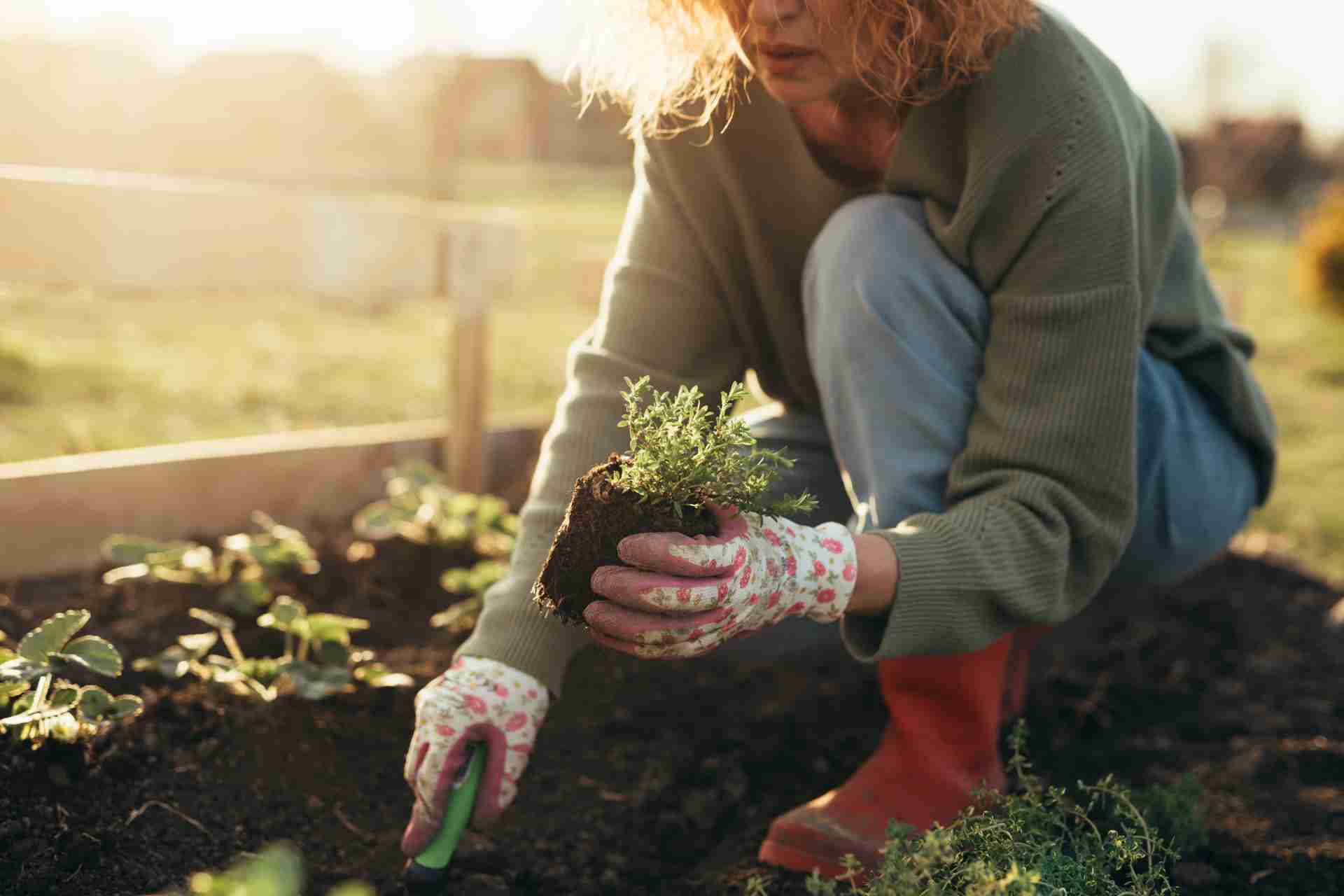
July is the month of promises. Almost nothing is growing visibly, but what you plant now — dormant fruit trees, pruned roses, garlic cloves, seed trays on a warm windowsill — sets up the next twelve months of the garden. Patience this month pays off in spring.
What you should plant this month depends enormously on where you are. A gardener in Whangārei has a completely different window from one in Alexandra. Our free interactive tool — the Newswire NZ Gardener’s Planting Calendar — lets you pick your region and see exactly what to sow, plant and harvest this month for your patch. Worth keeping open in a tab while you read the rest.

Bare-root trees — peak planting
If there’s one month to plant a new fruit tree, this is it. Apples, pears, plums, peaches, nectarines, apricots, cherries, figs — all available bare-root from specialist nurseries through the winter. Roots establish in cool, moist soil without the stress of new top growth. By the time buds burst in September, the tree is already anchored.
Dig a hole twice as wide as the root ball, incorporate aged compost, plant with the graft 5cm above soil level, stake firmly for the first year, and water in well. Don’t fertilise at planting — wait until growth resumes in spring.
Rose pruning
Mid-winter is when roses get their annual haircut. Cut back hybrid teas and floribundas by about half, removing any dead, crossing or spindly growth. Shape climbers and ramblers by tying new growth into the frame and cutting back the oldest canes. Always cut to an outward-facing bud at a slight angle.
Garlic — last call in cold regions
If you didn’t get your garlic in last month, do it now. Cold-region gardeners can push garlic planting to late July and still get a crop. Warm-region gardeners who missed the shortest-day window can also still plant, but the heads will be smaller.
Indoor seed-starting starts now
In warm parts of the country, start sowing summer heat-lovers indoors from late July. Tomato, capsicum, chilli and eggplant all need 8–10 weeks from sowing to planting-out, so the maths works out about right for Labour Weekend planting. Use a heat mat if you have one; a sunny windowsill over a radiator is the old-school version.
Winter vegetable jobs
- Asparagus crowns — plant now into deep, well-composted trenches. Don’t harvest for two years.
- Rhubarb crowns — plant with the crown just above soil level; never eat the leaves.
- Strawberry runners — last chance in most regions. Plant with the crown just above soil.
- Silverbeet, kale, spinach — keep picking. They’re quiet but they’re there.
- Hellebores, primulas, pansies — winter colour for pots and borders.
Warm north — sow the first summer crop
Auckland and Northland gardeners can push it this month. Sow your first lettuce, spring onion and radish directly, in a sheltered warm spot. They’ll sit through the coldest weeks and crop in September.
Cold south — don’t even think about outdoor sowing
In Central Otago, Mackenzie and Southland, July is for planning, pruning and planting dormant trees. Outdoor sowing of anything vegetable won’t happen until September. Use the month to lay out next season’s beds, stock up on seed, and finish any hard landscaping.
What NOT to plant this month
Any vegetable seed outdoors. Any heat-loving flower. Any frost-tender perennial without serious protection. If it’s on a seed packet that says “sow when soil temperature reaches 15°C”, this is not the month.
Use the tool
The hardest part of gardening in Aotearoa is that generic planting advice — the kind you’ll find on the back of seed packets imported from the UK or California — is almost always wrong for our conditions. Even advice written for New Zealand is often written for Auckland and quietly fails gardeners south of Christchurch.
That’s why we built the Newswire NZ Gardener’s Planting Calendar. Pick your region once, and it shows you exactly what to sow, transplant, and harvest this month — plus a reverse lookup where you can type in any plant (tomato, feijoa, dahlia, pōhutukawa) and see the ideal window for your patch. It’s free, it works on your phone, and it’ll save you a lot of guesswork.
What are you planting this month? Drop a comment below and tell us what’s going in the ground in your garden — and which region you’re in, so other readers can compare notes.
This article was written by AI, briefed to report the facts, hopefully without some of the bias people bring to the job 🙂
Leave a Reply