
Great New Zealanders
Long-form profiles of New Zealanders whose work changed the world — and who, in most cases, are still less famous in their own country than they ought to be. Roughly 4,000 to 6,000 words each. Researched, sourced, and written to last.
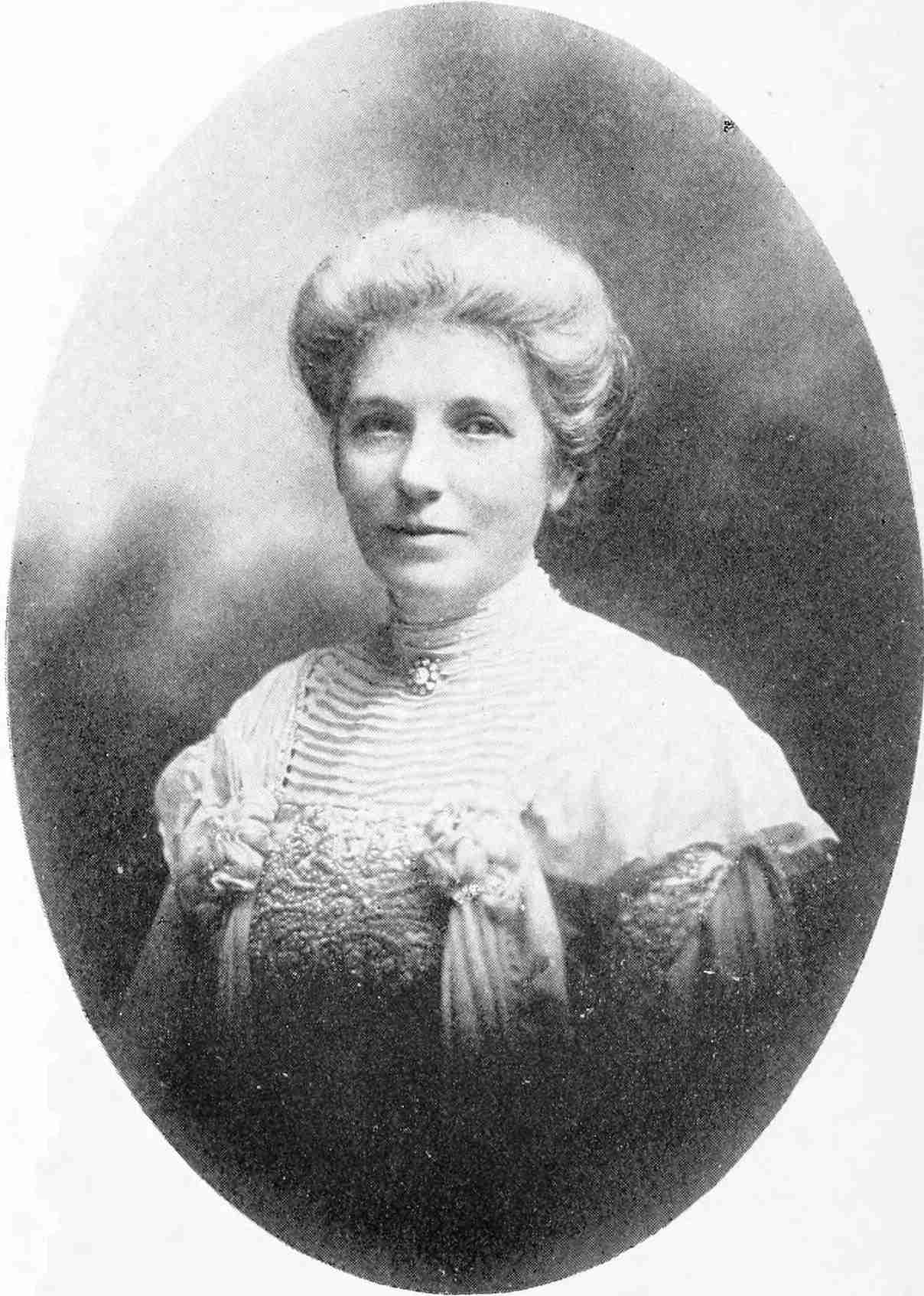
Kate Sheppard, the Christchurch grocer’s wife who unrolled democracy across a parliament floor
On 28 July 1893 the petition she had glued together at her kitchen table in Fendalton was unrolled across the floor of the New Zealand parliament. It carried nearly 32,000 women’s names. Six weeks later New Zealand became the first self-governing country in the world in which women could vote. She was 45, and was the most formidable political organiser the country has produced.
Read the profile →
David Strang, the Invercargill grocer who patented instant coffee in 1890
Twelve years before a Japanese chemist demonstrated soluble coffee at the Buffalo World’s Fair, and nineteen years before an American businessman put it in a tin and sold it to soldiers, a Scottish-born grocer in Invercargill had already patented the idea. His name was David Strang, and he is the most quietly under-celebrated inventor in New Zealand history.
Read the profile →
Bob Fitzsimmons, the Timaru blacksmith who beat the world
He was freckled, balding, spindly-legged and weighed barely twelve stone. He learned to punch in his father’s forge on Stafford Street, won his first New Zealand title at seventeen, and went on to beat the world at three different weights — the only man to do it before the heavyweight era was a hundred years old. American boxing claims him. So does British boxing. Bob Fitzsimmons was a
Read the profile →
Ernest Godward, the Invercargill bicycle dealer who out-invented his generation
Born in London in 1869, he jumped ship at Port Chalmers at seventeen and became one of the most prolific inventors the country has produced — a spiral hairpin that sold in the millions, a fuel-saving carburettor the United States Army fitted, and an eggbeater that would not skid across the bench. He made two fortunes and is barely remembered at home.
Read the profile →
Frances Hodgkins, the Dunedin lawyer’s daughter who painted her way into the centre of British modernism
She left a Dunedin studio at thirty-one, taught at the most fashionable art school in Paris, ran out of money in Cornwall, designed dress fabrics in a Manchester mill to keep eating, and ended her life in a Dorset village painting some of the great twentieth-century watercolours. In 1939 the British Council put her in their Venice Biennale six. Frances Hodgkins did not come home.
Read the profile →
Ernest Rutherford, the Brightwater farm boy who took the atom apart
Born in a Nelson village in 1871, Rutherford discovered the atomic nucleus in Manchester, named the proton at Cambridge, and ran the laboratory where the atom was first deliberately split. He died at 66 from a hernia he had been told to have looked at. He is buried in Westminster Abbey near Newton, and is still less famous in his own country than he ought to be.
Read the profile →
Sir Āpirana Ngata, the Ngāti Porou rangatira who tried to save a people from inside the Crown
First Māori to take a New Zealand university degree (Canterbury 1893), MP for Eastern Maori for 38 years, editor of Ngā Mōteatea, architect of the 1929 Native Land Development scheme, and the man who, on the centenary of the Treaty in 1940, stripped to a piupiu and led the haka in front of a watching nation. The $50 note carries his face for a reason.
Read the profile →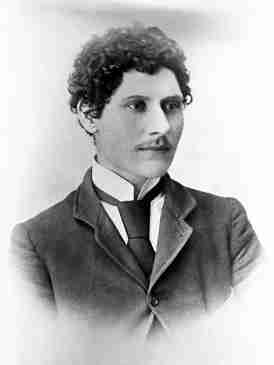
Richard Pearse, the South Canterbury farmer who may have beaten the Wright brothers
Some nine months before Kitty Hawk, a reclusive South Canterbury farmer pushed a homemade engine and fragile bamboo airframe out across a paddock at Waitohi and tried to fly. Whether he made it has been argued for a century.
Read the profile →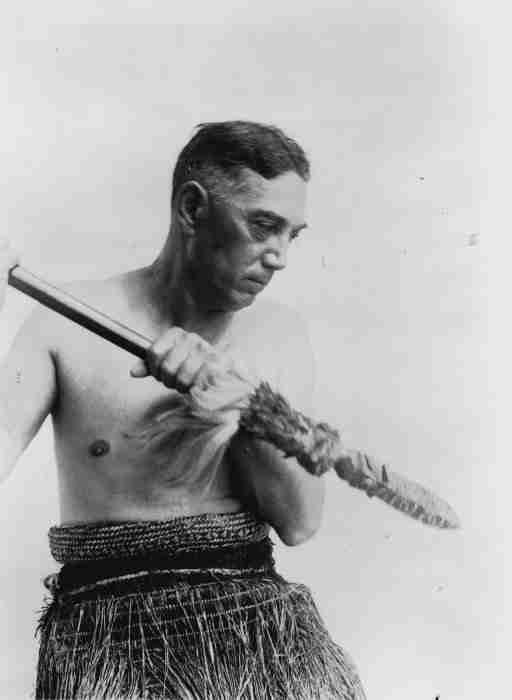
Sir Peter Buck, Te Rangi Hīroa, the Urenui doctor who became the world’s great scholar of Polynesia
He was a Te Aute boy and an Otago-trained doctor, an MP for Northern Maori, the second-in-command of the New Zealand (Māori) Pioneer Battalion at Gallipoli, the director of the Bishop Museum in Honolulu, and the most important Polynesian anthropologist of his generation. He wrote Vikings of the Sunrise. He wrote The Coming of the Maori. He wrote 174 letters to Āpirana N
Read the profile →
The man who made faces, Harold Gillies and how a New Zealander invented modern plastic surgery
In 1917, in a hospital ward in Kent, a Dunedin-born surgeon stitched two raw edges of skin together and watched them curl into a living tube. Harold Gillies had not set out to invent plastic surgery. The trenches gave him no choice. By the time he finished, more than 5,000 men had passed through his care, and a discipline existed that had never existed before.
Read the profile →
James Fletcher, the Scottish carpenter who built twentieth-century New Zealand
James Fletcher came off the SS Ulimaroa at Port Chalmers in October 1908 with twelve pounds in his pocket and a knee that did not bend. By the time he died sixty-six years later he had founded the company that built about half the country’s first state houses, ran wartime construction for Peter Fraser, brought the Tasman pulp mill at Kawerau out of the ground, and put up most of central Well
Read the profile →
Katherine Mansfield, the Wellington girl who taught the modern short story how to breathe
Kathleen Beauchamp left Tinakori Road at nineteen and was dead at thirty-four. In the fifteen years between she wrote eighty-eight stories, became Virginia Woolf’s only literary rival, fought with D.H. Lawrence, and quietly rebuilt the English-language short story from the inside. She remains less famous in Wellington than she ought to be.
Read the profile →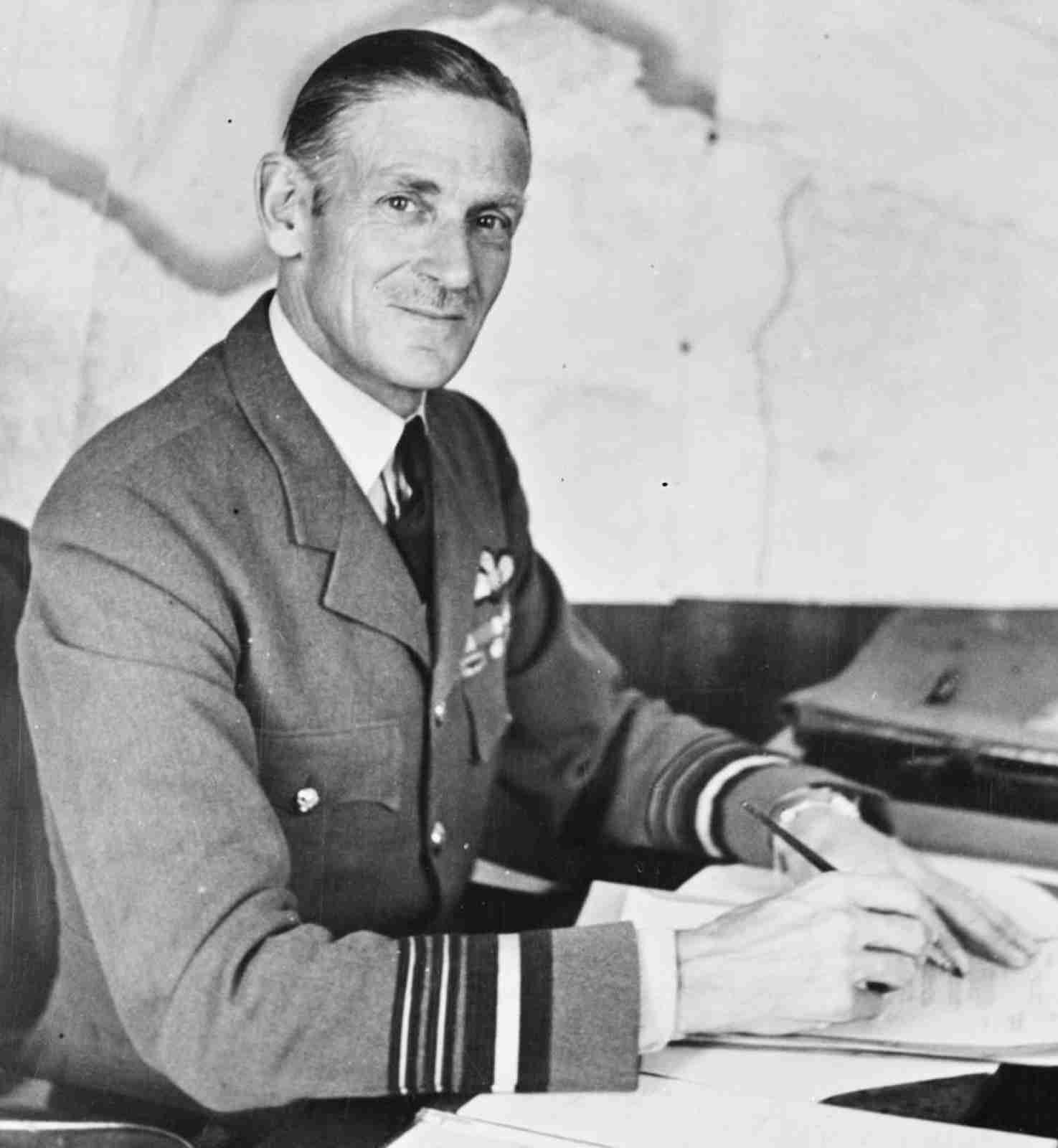
Keith Park, the man who saved London
A boy from Thames who went to sea at nineteen ended up running the most consequential air campaign of the twentieth century. The head of the Royal Air Force, in 1947, said simply that if any one man had won the Battle of Britain, it was Park.
Read the profile →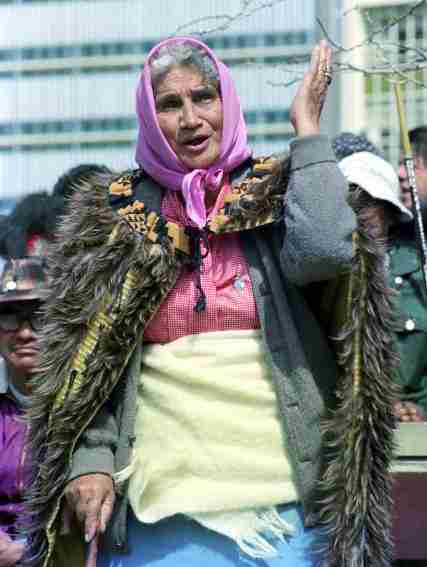
Dame Whina Cooper, the Hokianga rangatira who turned three lives into one long argument with the Crown
She was 18 when she filled in the drains as fast as the Pākehā farmer could dig them, 55 when she became the first president of the Māori Women’s Welfare League, and 79 when she walked out of Te Hāpua holding a three-year-old’s hand and led 5,000 people to the steps of Parliament.
Read the profile →
Bill Hamilton, the Mackenzie Country engineer who taught a boat to climb a river
Sir William Hamilton spent his life solving problems other people thought were unsolvable, from earthmoving scoops in a snowed-in high-country shed to a boat that could climb the Grand Canyon. Hamilton Jet, still a Christchurch family firm, is what happens when New Zealand pragmatism meets a global market.
Read the profile →
Archibald McIndoe, the Dunedin surgeon who rebuilt the burnt airmen of the RAF and taught a Sussex town not to stare
He arrived at the Queen Victoria Hospital in East Grinstead on the day Britain declared war and spent the next twenty years rebuilding the faces and hands of young men who had been set on fire in their own cockpits. The 649 patients of Sir Archibald McIndoe called themselves the Guinea Pig Club, met every year for the rest of their lives, and called the Dunedin-born surgeon ‘the Boss’.
Read the profile →
Len Lye, the Christchurch boy who made motion into art
The forty-eight-metre red tube that bends in the wind on the New Plymouth foreshore is his, and so are the restless images he scratched straight onto film that now hang in New York’s Museum of Modern Art. Len Lye left New Zealand in 1924 and spent the rest of his life teaching motion how to become art. The country he was born into took almost a century to catch up to what he was trying to do.
Read the profile →
Len Southward, the Wellington panelbeater who built a speedboat, a tube mill and a museum
From a Kent Terrace motorcycle shop to a 109-mph speedboat and a 450-vehicle museum at Otaihanga, the long, practical life of Sir Leonard Bingley Southward is one of the great New Zealand stories of work, machinery and quiet generosity.
Read the profile →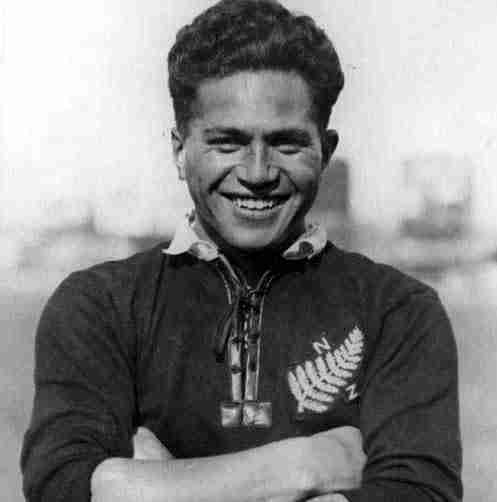
George Nepia, the boy fullback who played all 32 matches and was then left behind
He played every minute of every match on the 1924-25 Invincibles tour and came home a teenage hero. Four years later, the All Blacks left him at home because South Africa would not have a Maori on the field. The story of George Nepia is the story of New Zealand rugby learning what it was, and what it had agreed to overlook.
Read the profile →
Rita Angus, the Hastings woman who painted the country we still recognise
She was thirty-eight years old, single, broke, refusing to do war work, and painting a brown-skinned blonde-haired goddess on a wooden chair facing the Tasman Sea. The Manpower Committee fined her one pound. The painting hangs in Te Papa. Rita Angus (1908–1970) is the painter who, more than any other, gave twentieth-century New Zealanders an image of the country they could agree was theirs.
Read the profile →
Jack Lovelock, the Timaru miler who ran the most beautiful race in Berlin
Jack Lovelock won New Zealand’s first Olympic athletics gold in the 1936 Berlin 1500m, in a world-record 3:47.8 he called an artistic creation. He was 39 when he fell under a New York subway train. Both endings were prepared for, in different ways, by the same anxious, meticulous, intensely private man.
Read the profile →
Woolf Fisher and Maurice Paykel, the Auckland brothers-in-law who built New Zealand’s most consequential industrial firm
In 1934 a 22-year-old salesman and his 20-year-old brother-in-law-to-be set up an appliance importing partnership in a small Auckland office, with a £40 cash investment, a bank loan secured against a second-hand De Soto, and a Crosley refrigerator that Maurice Paykel’s mother wanted brought in from America. Out of that, over the next ninety years, came two companies. One built the dishwasher
Read the profile →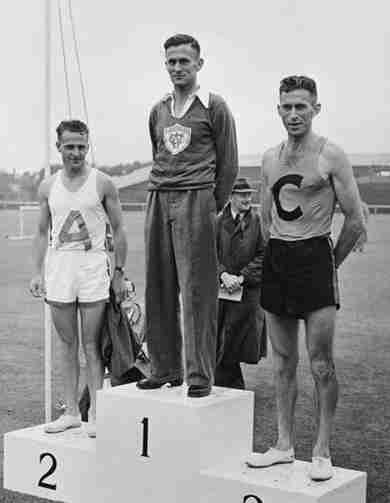
Arthur Lydiard, the Auckland shoemaker who taught the world how to run
He had no degree in physiology, no laboratory and no gold-medal running career of his own. From a state house in Mt Roskill, with a clipboard and a stopwatch and a 35 km Sunday route through the Waitākere Ranges, Arthur Lydiard worked out the training method that the rest of the running world is still using sixty years later.
Read the profile →
Te Moananui-a-Kiwa Ngārimu, the Whareponga shepherd who threw stones on the night Tebaga Gap broke
Te Moananui-a-Kiwa Ngārimu was 24 when his platoon of Ngāti Porou soldiers took the rocky under-feature of Point 209 in Tunisia and held it through one night of German Panzergrenadier counter-attacks at twenty yards distance, throwing stones when the Thompson magazines ran out. He was killed at first light on 27 March 1943. The Victoria Cross his father held up at Ruatōria six months later became,
Read the profile →
Brian Barratt-Boyes, the Wellington boy who taught the world to operate on babies’ hearts
Sir Brian Barratt-Boyes performed New Zealand’s first open-heart operation at Green Lane Hospital in 1958, pioneered the human cadaveric heart valve, and worked out how to cool a baby almost to a standstill so a surgeon could open its heart and repair it. Surgeons trained on his bench went on to run units in London, Bombay, Bangkok and Sydney.
Read the profile →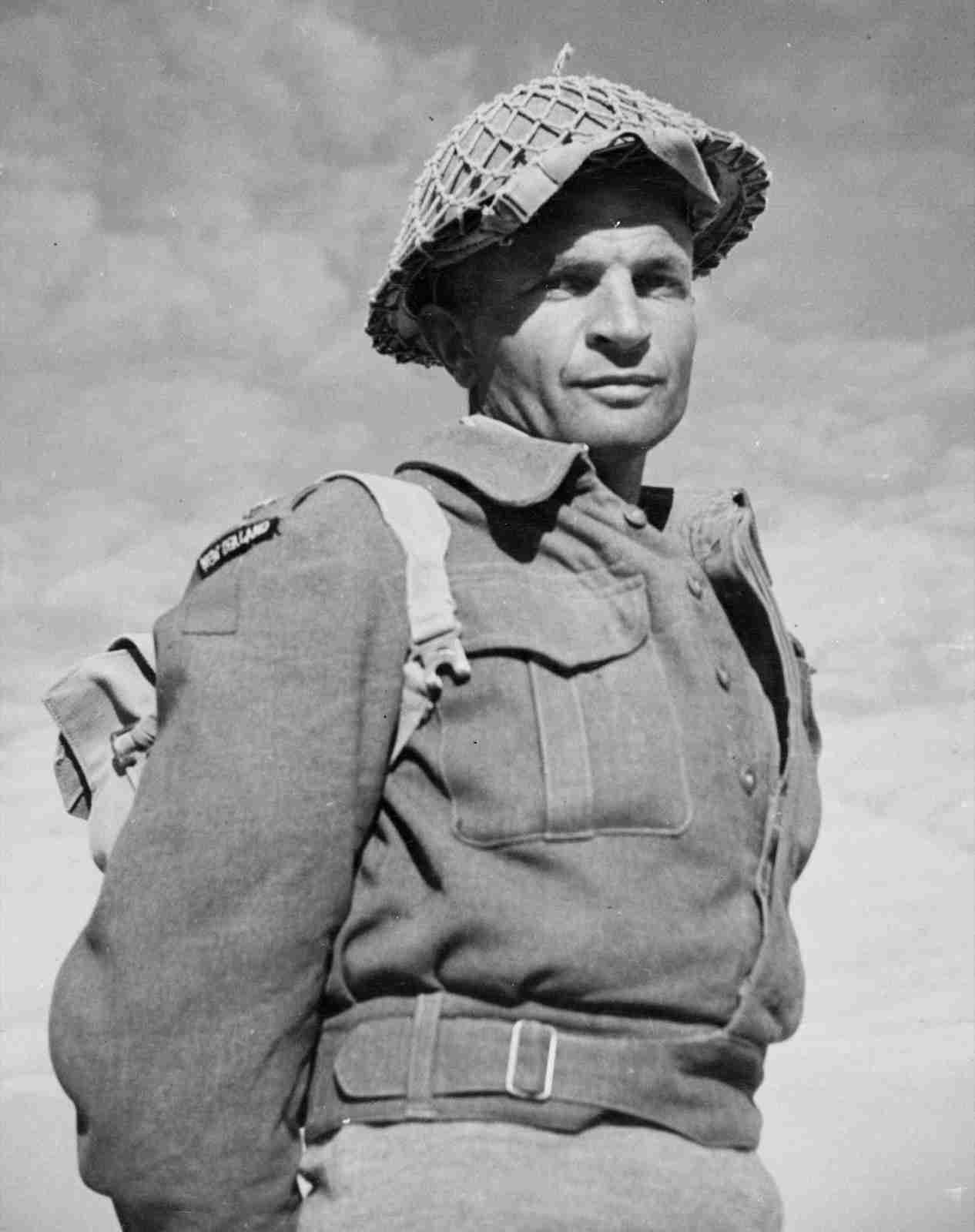
Charles Upham, the only fighting soldier ever to win the Victoria Cross twice
A quiet Canterbury sheep farmer who, when war broke out, packed his kit, walked off the high country, and turned out to be one of the most ferocious infantry soldiers of the twentieth century. So stubborn his German captors eventually shipped him to Colditz.
Read the profile →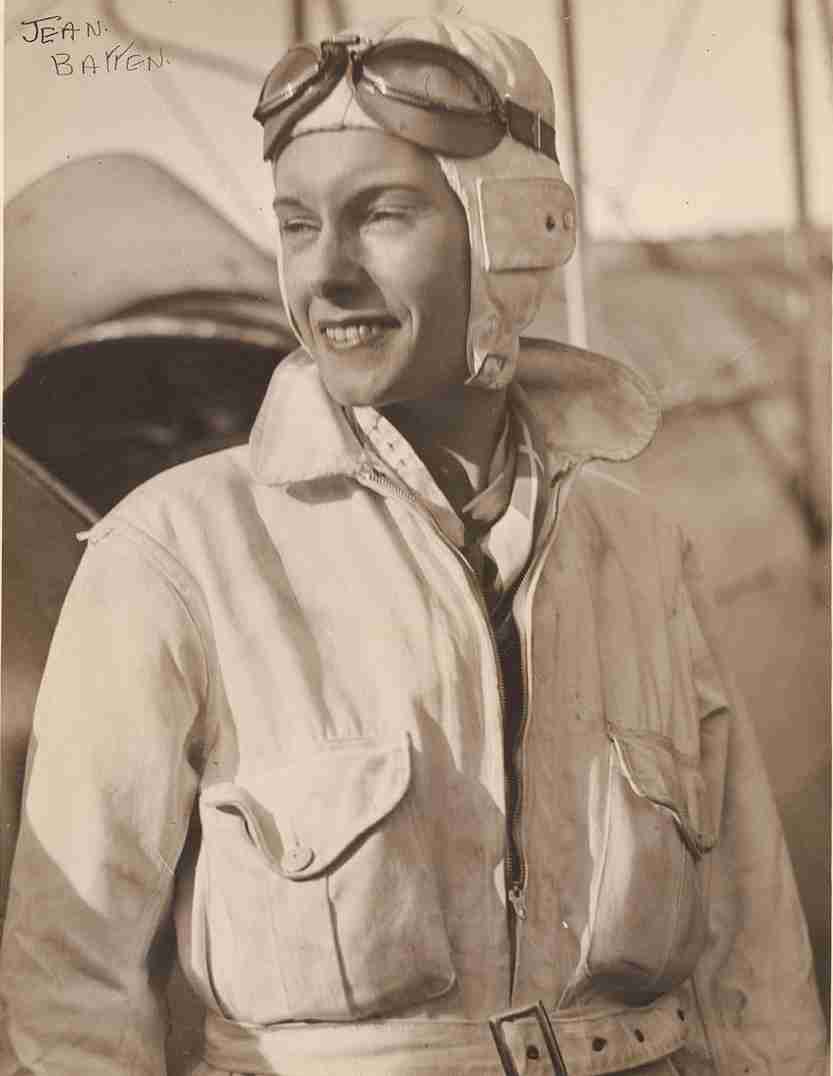
Jean Batten, the New Zealand aviator who set the world’s records and then disappeared for forty years
For a few years in the mid-1930s, the most famous person this country had ever produced. Then, before she was thirty, she stopped flying and spent the next forty-five years deliberately erasing herself — finally dying in such anonymity that New Zealand did not know for almost five years.
Read the profile →
Bill Pickering, the Havelock boy who pointed America at the planets
He grew up in a sawmill town at the head of the Pelorus Sound, attended the same primary school as Rutherford, and ran NASA’s Jet Propulsion Laboratory through the entire space race. Twice on the cover of Time. Knighted by the Queen. Welcomed home by five prime ministers. And still, in his own country, almost a stranger.
Read the profile →
Bill Gallagher senior, the Waikato horse called Joe and the fence that changed farming
He was a reluctant dairy farmer, an inveterate tinkerer, and the eldest of six children on a Waikato family farm. From a shed at Horsham Downs in the late 1930s, Bill Gallagher senior built a small contraption to discourage a horse from rubbing on the family Essex. What he had actually built was the world’s first practical electric fence, and the foundation of the company that would, three generat
Read the profile →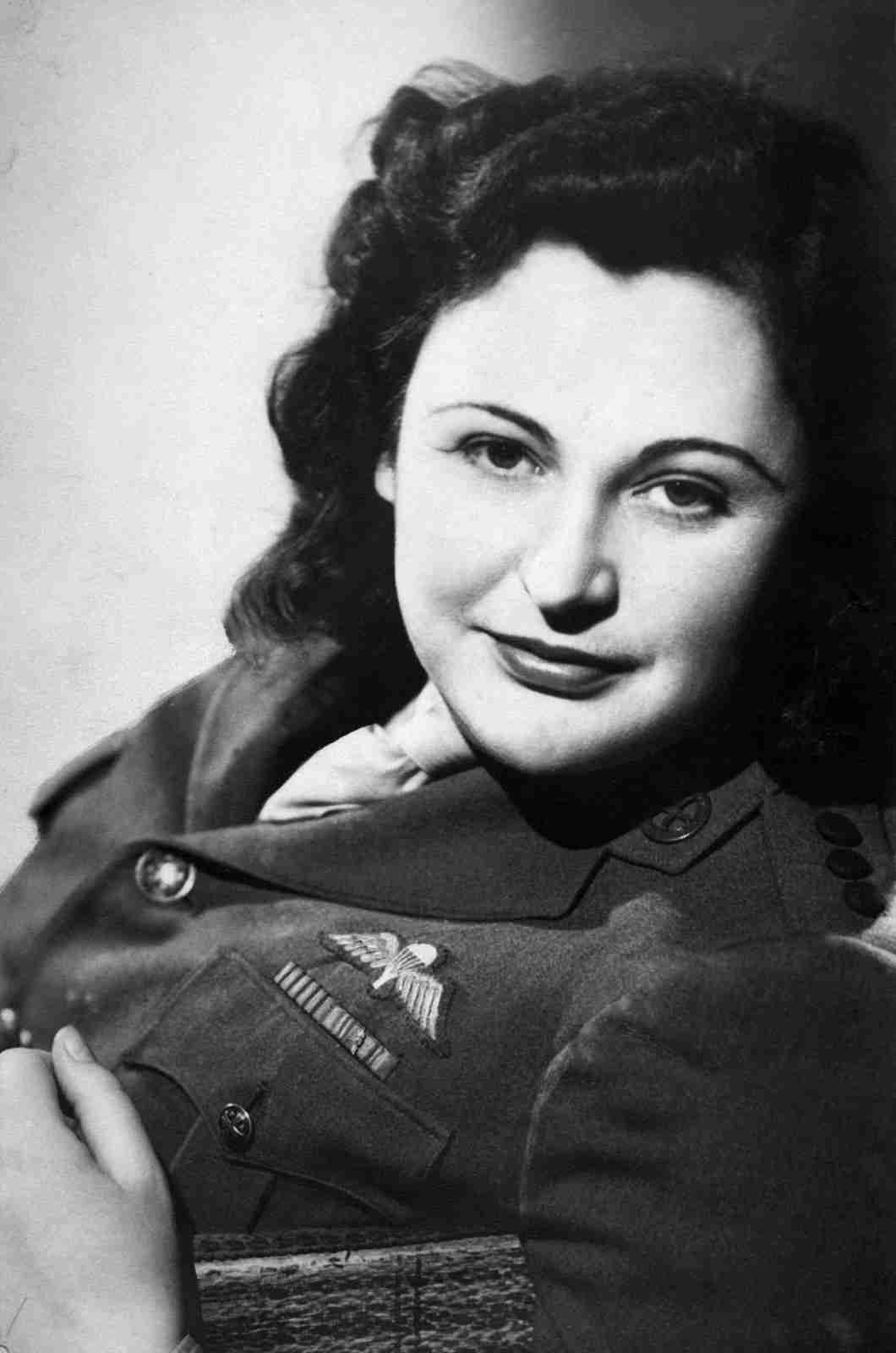
The White Mouse — the long, loud, complicated life of Nancy Wake
Born in Wellington, raised in Sydney, and by 1943 the most wanted woman in Vichy France. She walked over the Pyrenees in winter, parachuted back into the Auvergne to arm the Maquis, and led 7,000 guerrillas against the retreating Wehrmacht. The Gestapo called her the White Mouse because they could never catch her.
Read the profile →
Maurice Wilkins, the Pongaroa boy who became the third man of the double helix
Born on a butcher’s block in Pongaroa in 1916, the New Zealand-born physicist who took the first sharp X-ray photographs of crystallised DNA, shared the 1962 Nobel Prize for the discovery that followed, and spent the rest of his life trying to make British science behave a little better. He called himself the third man of the double helix.
Read the profile →
Edmund Hillary, the beekeeper from Tuakau who climbed Everest and then spent the next fifty years building schools
On 29 May 1953, a 33-year-old Auckland beekeeper and a Sherpa from Khumbu became the first humans confirmed to have stood on the summit of Mount Everest. The climb made Edmund Hillary world-famous before lunchtime. The half century that followed – the schools, the Antarctic crossing, the air crash that took his wife and daughter, the long quiet diplomatic years – is the part New Zealan
Read the profile →
Colin McCahon, the painter who wrote on the land
He was the boy who watched a Dunedin sign-writer paint HAIRDRESSER AND TOBACCONIST on a window and decided that words on a flat surface could be a kind of magic. Forty years later he was painting I AM in white house-paint on six metres of unstretched canvas. The most internationally significant painter New Zealand has produced, and still the one we find hardest to like.
Read the profile →
Joan Wiffen, the Hawke’s Bay woman who found New Zealand’s dinosaurs
For more than a century, New Zealand was thought to have been underwater while dinosaurs ruled the planet. A self-taught farm wife from Hawke’s Bay, working out of a rural shed with secondhand tools and a few friends, proved otherwise.
Read the profile →
Janet Frame, the Oamaru girl who walked out of Seacliff and rebuilt the New Zealand novel
In December 1952 a 28-year-old patient at Seacliff Mental Hospital, north of Dunedin, was a few days from a prefrontal lobotomy when news arrived that her first book had won a literary prize. The surgery was cancelled. She lived another fifty-two years and wrote eleven novels, four collections of stories, three volumes of autobiography and a goose bath of poems, and quietly altered the shape of Ne
Read the profile →
Alan MacDiarmid, the Masterton lab boy who taught plastic to conduct electricity
Born in Masterton in 1927 and dead at 79 in a Philadelphia suburb, Alan MacDiarmid was a barefoot Lower Hutt schoolboy who left high school early to mop floors in a Wellington chemistry department, took two PhDs on opposite sides of the Atlantic, and in November 1976 stood in a University of Pennsylvania laboratory while a thin black film of plastic, briefly exposed to iodine vapour, suddenly cond
Read the profile →
Colin Murdoch, the Timaru pharmacist whose plastic syringe quietly saved hundreds of millions of lives
He patented the disposable plastic syringe in 1956, the tranquilliser dart in 1959, and the child-resistant medicine cap in the 1970s. He held forty-six patents, ran two factories in Timaru, and was rejected by the Department of Health on the grounds that nobody would want to be injected by a piece of plastic. The World Health Organization now counts roughly sixteen billion of his syringes used ev
Read the profile →
Yvette Williams, the Dunedin long jumper who outlasted Fanny Blankers-Koen
Yvette Williams was 23 when she stood on the long jump runway at the Helsinki Olympics on 23 July 1952 with two fouls and a wrenched knee. Her next jump made her the first New Zealand woman to win Olympic gold. Eighteen months later at Gisborne she took the world record off the most famous female athlete in the world. The story of how she got there is sandhills, a coach who had survived a Stalag,
Read the profile →
Richard Izard, the Whanganui man who put 40 percent of America’s home handyman saw blades through one Northland factory
Richard Izard failed at almost everything until he was 44. Then he turned a Wellsford shed into the world’s biggest tungsten-carbide saw-blade factory, supplying as much as 40 percent of the American DIY market. The story has somehow fallen out of New Zealand’s industrial memory.
Read the profile →
Murray Halberg, the boy with the withered arm who ran a lap of his own at Rome
He was 17 when a rugby tackle in 1949 left his left arm paralysed and the doctors told his mother he was unlikely to last the week. Eleven years later, on a warm Roman evening in 1960, he kicked from three laps out, took the field by surprise, and held on for an Olympic gold medal that the Australian Ron Clarke would call the most courageous run in Olympic history. Then he went home and started a
Read the profile →
Roy Kerr, the New Zealander whose equation describes every spinning black hole in the universe
In Dallas in December 1963, a 29-year-old New Zealand mathematician was given ten minutes to present his work and most of the audience read newspapers. The equation he wrote down on the board describes every astrophysical black hole there is. He still lives in Christchurch and still picks fights with the orthodoxy of his field.
Read the profile →
Colin Meads, the King Country lock who carried New Zealand on his shoulders for fifteen years and most of his country with him
On a grey Edinburgh afternoon in December 1967, the largest man on the field at Murrayfield was sent to the dressing room with three minutes to play, the second All Black ever ordered off in a Test match. He walked the long walk in silence, head down, the wind taking his black jersey at the chest. He was thirty-one years old, the most respected forward in world rugby, and on the boat home he could
Read the profile →
Bruce McLaren, the Auckland boy who built one of the most successful racing teams in history
The limping Remuera kid who became the youngest Formula One winner in history at twenty-two, founded his own racing team at twenty-five, and was killed at thirty-two testing a car of his own design. The team he built has since won championships in five decades of Formula One.
Read the profile →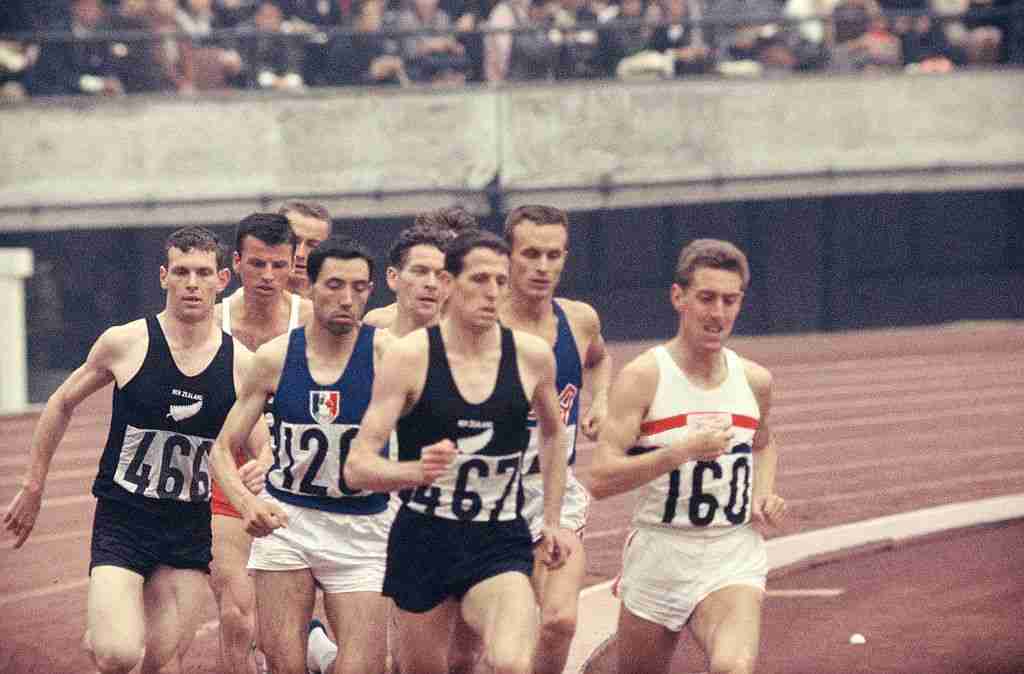
Peter Snell, the Ōpunake boy who ran the perfect race in Tokyo and then spent forty years in a Texas exercise lab
On the evening of 21 October 1964 in Tokyo, a 25-year-old former plumber’s apprentice from Taranaki ran the last 200 metres of an Olympic 1500m final faster than any other man in the field, signalled with his right arm like a driver indicating a turn, and became the only man since 1920 to win the 800m and 1500m double at the same Olympics. He never matched the moment again.
Read the profile →
Beatrice Tinsley, the New Plymouth girl who rewrote the universe
A New Plymouth schoolgirl who founded the modern field of galactic evolution, became Yale’s first woman professor of astronomy, and died of melanoma at forty — not before publishing more than a hundred papers and making it impossible to think about cosmology the old way.
Read the profile →
Sir Peter Blake, the Bayswater boy who took five Whitbreads to win one
He sailed in the first five Whitbread Round the World Races and only won the last of them. He took the America’s Cup off the Americans in San Diego, defended it on the Hauraki Gulf, and put his country in red socks. He was 53 when he was killed by river pirates at the mouth of the Amazon, two days after writing in his logbook that he wanted to restart people caring for the environment.
Read the profile →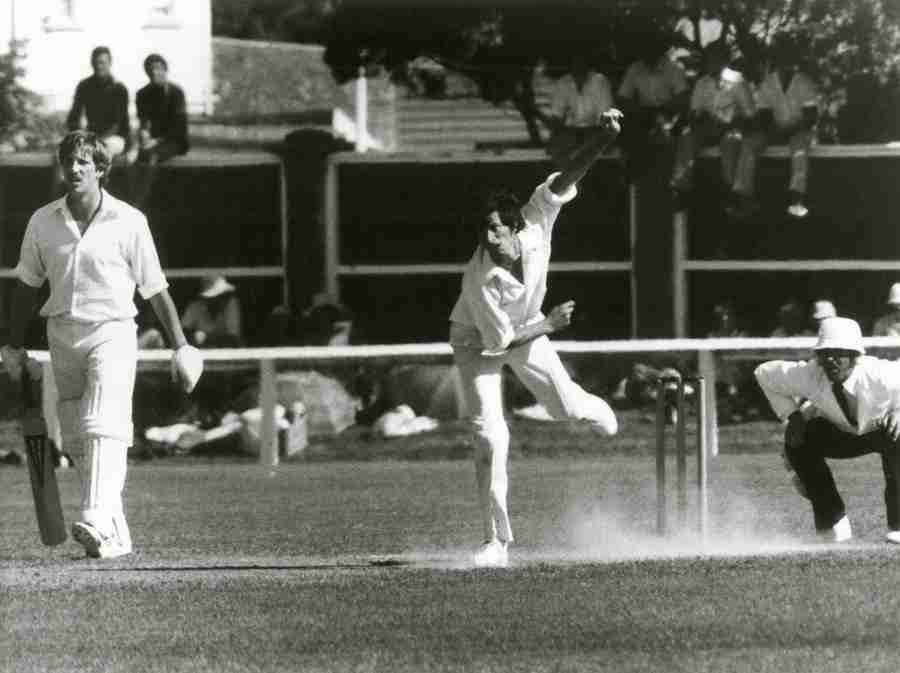
Richard Hadlee, the Christchurch boy who turned a long run into a short one and bowled New Zealand into the world
On the morning of Friday 8 November 1985 at the Gabba in Brisbane, a 34-year-old Cantabrian with a slightly receding hairline and a measured fifteen-pace approach ran in to bowl the third ball of a Test match against an Australia that had not lost to New Zealand at home in seven attempts. Andrew Hilditch hooked. The ball came down at deep square leg into the hands of Ewen Chatfield. Richard Hadlee
Read the profile →
John Walker, the Manurewa boy who broke the four-minute mile a hundred and thirty-five times
On the evening of 12 August 1975, on a windy track in Gothenburg with a Swedish pacemaker who dropped out 100 metres early, a 23-year-old from Manurewa named John Walker became the first man to run a mile in under three minutes and fifty seconds. Eleven months later he won Olympic 1500m gold in Montreal. Twenty years and 135 sub-four miles after that he was diagnosed, at 44, with Parkinson’s
Read the profile →
Dave Dobbyn, the shy West Auckland kid who wrote the songs the country sings to itself
He was the diminutive, freckled, ginger-haired Catholic schoolboy from Glen Innes who got picked on for being small. He wrote Be Mine Tonight, Whaling, Slice of Heaven, Loyal and Welcome Home, songs that have become the informal anthems New Zealand reaches for at funerals, weddings, citizenship ceremonies and All Black tests. This is the story of how he got there, and what he came through to write them.
Read the profile →
Neil Finn, the Te Awamutu boy who wrote the song you can’t get out of your head
Born in Te Awamutu in 1958, Neil Finn left school at 18 to fly to London and join his older brother’s band. By 27 he had written one of the most-covered songs of the modern era. Forty years on, with Crowded House, Split Enz, the Finn Brothers, two solo decades and a stint as the man Fleetwood Mac called when they fired Lindsey Buckingham, he is the most successful songwriter New Zealand has ever p
Read the profile →
Peter Beck, the Invercargill apprentice who built a working rocket company
An Invercargill apprentice with no university degree who was escorted off the premises of several American rocket companies, went home, and built one anyway. Rocket Lab has now flown more than eighty Electron rockets from the Mahia Peninsula and is the only private company outside the United States launching its own rockets to orbit.
Read the profile →
Allan Wilson, the Pukekohe farm boy who built the molecular clock
A Pukekohe farm boy who grew up milking cows at Helvetia and became the most consequential evolutionary biologist of his generation, inventing the molecular clock and tracing all living people back to a single mother in Africa.
Read the profile →
John Britten, the Christchurch shed and the motorcycle that frightened the factories
He had no factory, no engineering degree, no team manager, and roughly the budget of a mid-sized law firm. From a workshop in Addington and the garage of his Riccarton house, John Britten designed and hand-built a V-twin so radical the rest of the racing world had to climb back into its own pit and start measuring.
Read the profile →
Vaughan Jones, the Gisborne boy who tied physics to a knot
Born in Gisborne in 1952 and dead at 67 from an ear infection that turned, Sir Vaughan Jones is the only New Zealander ever awarded the Fields Medal, mathematics’ most prestigious prize. He took his medal in Kyoto in 1990 wearing an All Blacks jersey, and the polynomial he discovered while studying something else entirely is now used by physicists, statistical mechanics theorists and DNA bio
Read the profile →
Don McGlashan, the Mt Eden boy who became the most literate songwriter in the country
Born in Auckland in 1959, Don McGlashan trained as a percussionist in the Auckland Symphonia, was the drummer in Blam Blam Blam when their song became the unofficial anthem of the 1981 Springbok Tour, then made theatre and short films with Harry Sinclair as The Front Lawn, then wrote Anchor Me and Dominion Road as the singer of the Mutton Birds, then scored films and made four solo albums of songs
Read the profile →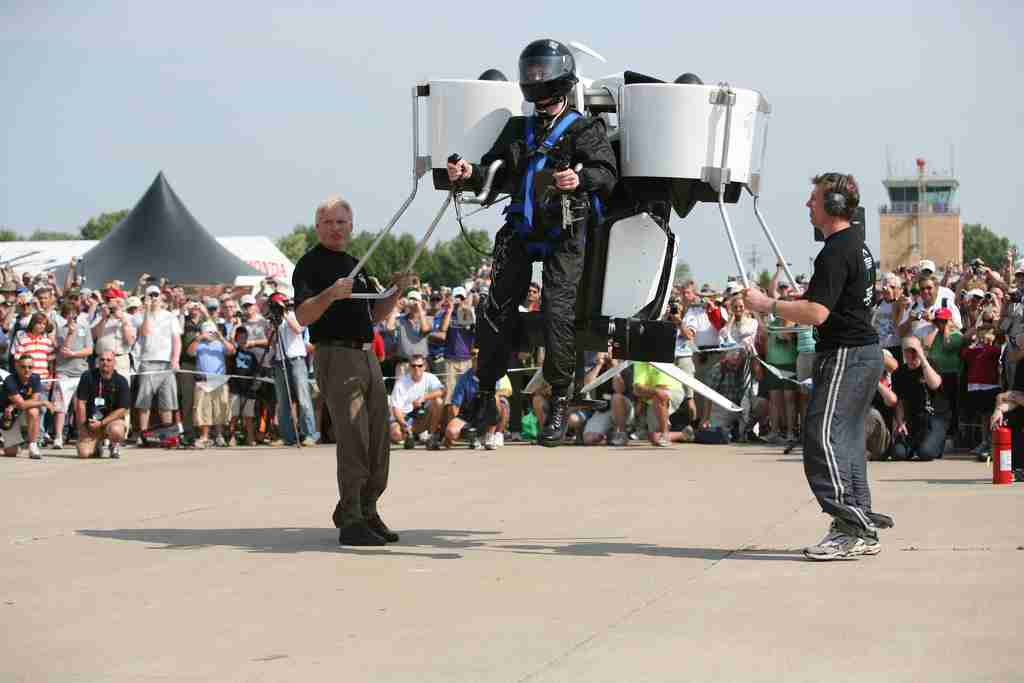
Glenn Martin, the Christchurch inventor who spent thirty years teaching a jetpack to fly
Glenn Martin built a working personal flying machine in a Redcliffs garage over thirty years, mortgaging the family house three times to do it. The Martin Aircraft Company that grew out of that garage went on to a landmark ASX listing in 2015 and a hard fall after. The man who started it walked away in the middle of the share-price peak.
Read the profile →
Wynton Rufer, the Wellington striker who conquered European football
He was 19 in Spain at the 1982 World Cup and 31 when he topped the Champions League scoring charts. The story of how a Strathmore boy with a Swiss father and a Ngāti Porou mother became Oceania’s greatest footballer.
Read the profile →
Jason Wynyard, the Kawakawa axeman who turned a kiwi sideshow into a world title 14 times
Jason Wynyard won the Stihl Timbersports world series 14 times between 1997 and 2017, held world records in both the standing chop and the single buck, and inherited the only sporting feud that has ever defined New Zealand woodchopping. He died in 2023, of a cancer that took him in five months, aged 49.
Read the profile →Mat and Nick Mowbray, the Cambridge brothers who flew to Guangzhou and built a toy empire
In 2003 two brothers from a lifestyle block outside Cambridge boarded a plane to Hong Kong with a $20,000 loan from their parents and no language, no contacts and no business plan beyond the idea of a model hot air balloon. By 2026 the company they founded with their sister Anna sells toys in 120 countries, posts more than $3 billion in annual revenue, and is building a fully automated factory in
Read the profile →The series continues. If you have a New Zealander you think belongs in this list — especially someone the country has under-celebrated — drop us a line.