What lifting New Zealand defence spending to 2 percent will cost
New Zealand is lifting defence spending to 2 percent of GDP by 2033. We read the Defence Capability Plan and Budget 2026 to show what it costs and buys.

New Zealand is lifting defence spending to 2 percent of GDP by 2033. We read the Defence Capability Plan and Budget 2026 to show what it costs and buys.
We put real numbers on three Election 2026 money promises, from the NZ First BNZ buyback to National’s KiwiSaver at 12 percent, using the actual accounts.
The Middle East energy shock has ended the Reserve Bank’s easing cycle. We trace it through the RBNZ’s own numbers to your mortgage rate and petrol bill.
Budget 2026 deepens a squeeze on the New Zealand public service that already peaked in 2024. We read the Treasury numbers and the official 55,000 FTE target.
The Reserve Bank kept the Official Cash Rate at 2.25 percent on Wednesday 27 May, but the decision was the closest in years and the signal underneath it was the…
New Zealand still has petrol, diesel and jet fuel four months into the Hormuz closure. Here is how Korean and Singapore refineries are keeping crude flowing.

Kiwibank has worked its leverage ratio down from a peak of 16.6 in late 2020 to 13.5 at the end of 2025, but it is still the most leveraged major…
Stats NZ figures show 37,700 new homes consented in the 12 months to March, up 11 percent on the previous year and the first annual increase in three years. Q1…

If you have a New Zealand bank account, it sits inside one of four Australian-owned banks. ANZ is Australian. ASB is owned by Commonwealth Bank of Australia. BNZ is owned…

Between 1984 and 1999, the New Zealand Crown sold roughly $19 billion of state-owned businesses to private buyers. A second wave in 2013 and 2014 raised another $4.7 billion by…

The average New Zealand household pays roughly six times as much in real terms for dwelling insurance as it did in 1981. The increase comes in two clear phases. From…

The average New Zealand household paid the real-terms equivalent of 15.5 cents per kilowatt-hour for electricity in 1975, expressed in 2025 dollars. In 2025 the same household pays 34.6 cents.…
The cost of building a standard new house in New Zealand has doubled in real terms since 1984. That is the headline finding from a comparison of Stats NZ’s Consumers…

New Zealanders’ card spending grew 0.7 percent in the March 2026 quarter, but inflation of 3.1 percent means real volumes fell 2.3 percent — the tenth consecutive quarterly decline.
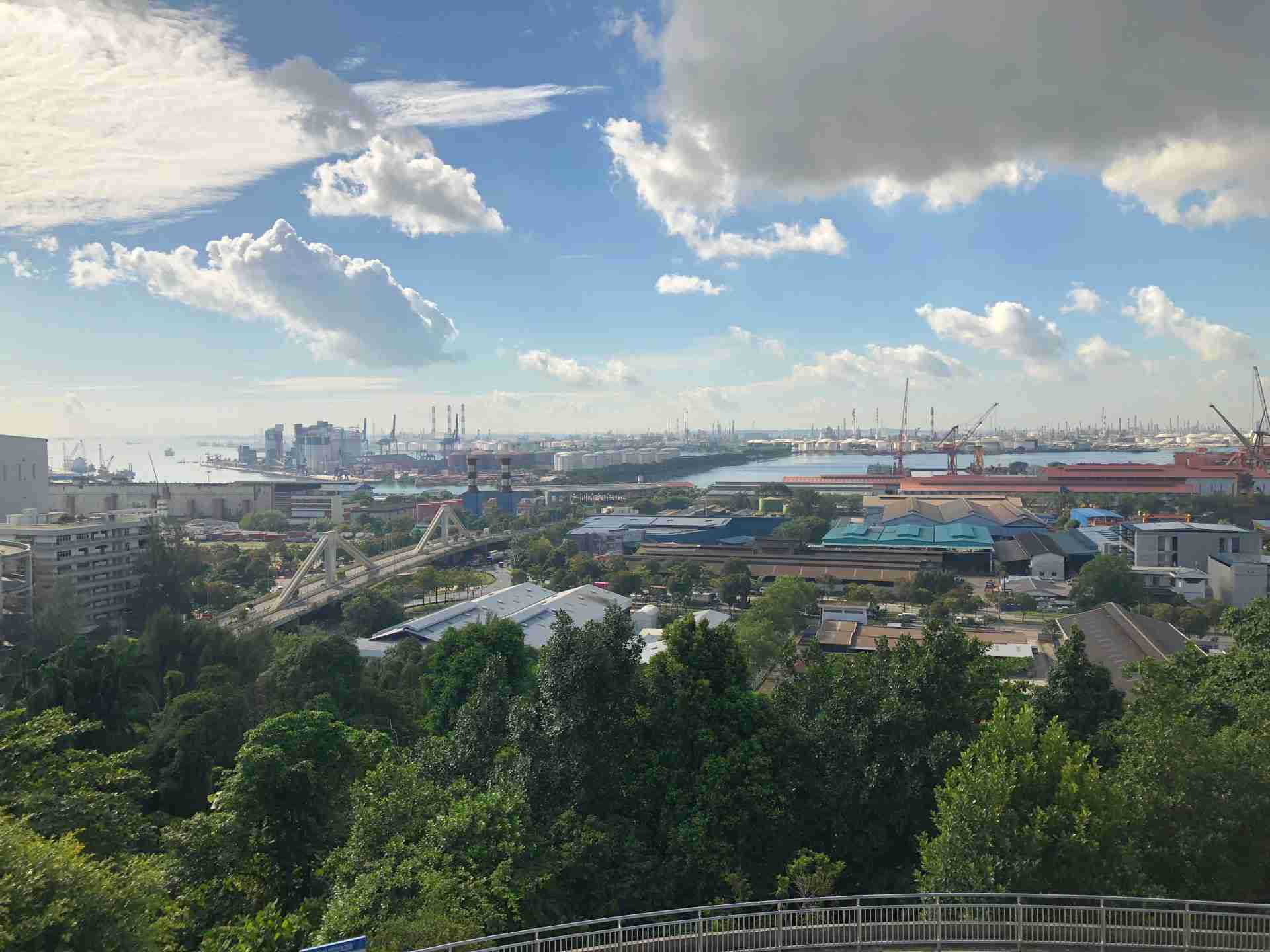
South Korea may be New Zealand’s biggest fuel supplier, but a third of our refined fuel comes from Singapore — and smaller volumes from Malaysia, Japan and China. Each is…
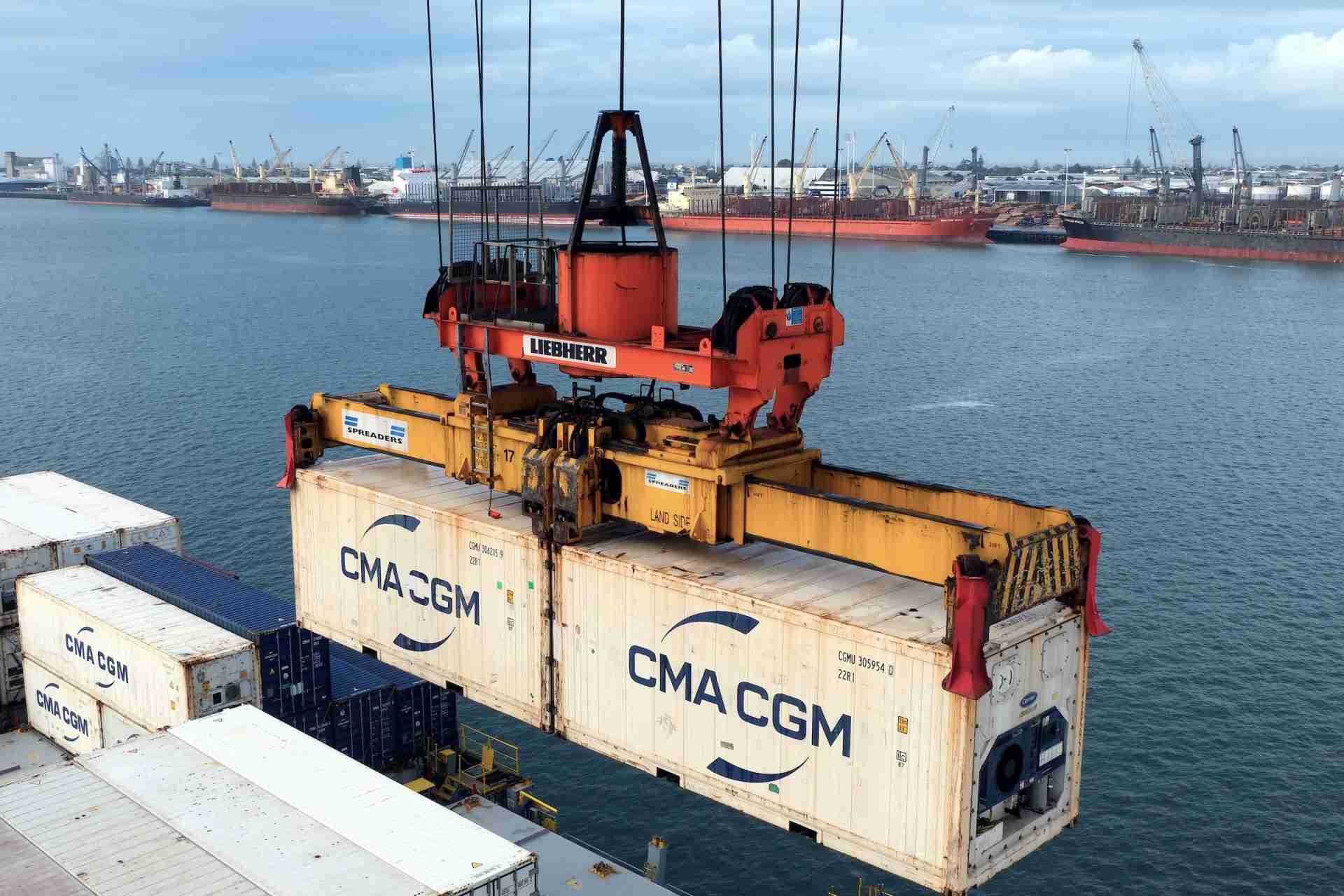
NZ’s Free Trade Agreements with China (2008) and the CPTPP (2018) have been a net win for the country — but exports to China rose tenfold while food prices at…

NZ beef at the supermarket costs more than it used to — not because of general inflation, but because of a specific mechanism economists call supply-overhang absorption. The China FTA…

A deep dive into the world’s largest clean oil products exporter, why it is quietly pulling back from the global market, and why New Zealand cannot afford to look away.…

New Zealand has spent more of its annual output on houses than on all other fixed capital combined every year since 2017. In 1988 residential building was 27% of fixed…

New Zealand’s real wage index is lower at the end of 2025 than in 1992. Over the same 33 years, labour productivity in goods-producing industries rose 18% and in services…

Wattie’s closures have been framed as multinationals squeezing Kiwi workers and supermarkets squeezing Kiwi suppliers. The Stats NZ Producers Price Index says food manufacturer margins are up, not down. Meat…
Between 2020 and 2024 the CPI rose 21.2 percent. Half was a global shock every small open economy faced in similar size. The other half was distinctly ours — and…
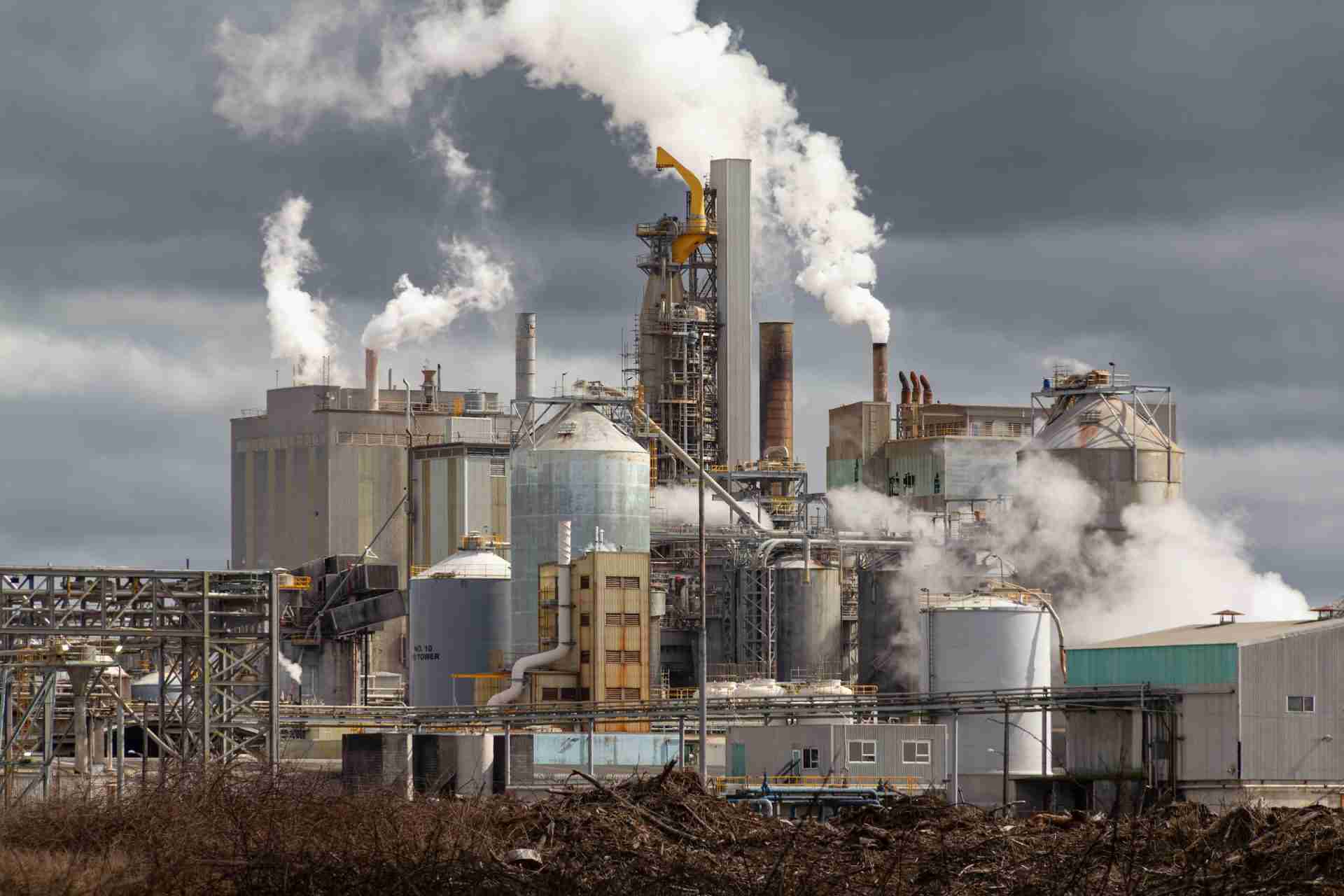
Real industrial electricity prices have doubled since the Māui gas field peaked in 2001. Four New Zealand towns — Kawerau, Tokoroa, Whangārei and Bluff — built their manufacturing base on…

Correction. This article originally said real wages were below their 1992 level, based on the Labour Cost Index, a fixed-quality index that excludes promotions, merit and experience. Actual real earnings…
Between 1990 and 2025, New Zealand’s economy grew 150%. Services grew 187%. Non-food manufacturing grew 5%. A Newswire analysis of 35 years of Stats NZ GDP data shows the country’s…
An argument for industrial ambition, generation at scale, and the second smelter we never built. Forty-four years after Aramoana, the case for state-led industrial policy is stronger than the consensus…

New Zealand’s fixed-capital investment has shifted from plant and machinery to housing. Stats NZ and BIS data show the residential share nearly doubling since 1988 while household debt tripled and…
Stats NZ’s Producers Price Index shows every industry link in New Zealand’s food chain gained margin over the past two years, except meat processors. Consumers paid the accumulated difference.

An analysis of 47 years of industry productivity data shows four energy-intensive sectors never got back to their early-2000s peaks — a pattern economic commentary has largely missed.

With regular petrol at $3.50 a litre and diesel past $3.80, the financial case for switching to an EV has shifted dramatically. A new Newswire calculator shows exactly what the…