
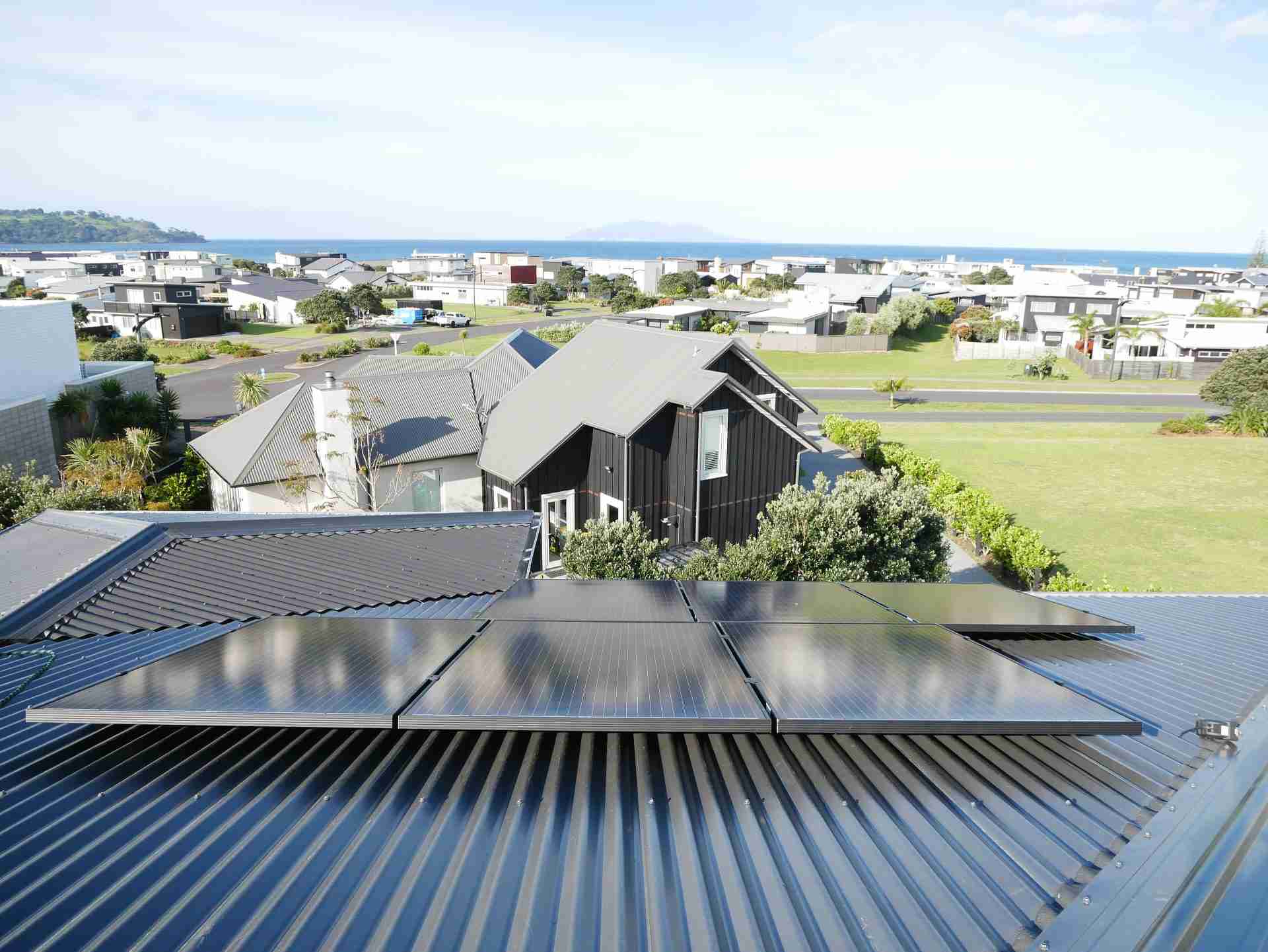
The liquidators of SolarZero, the government-backed rooftop solar company that collapsed in November 2024, have gone to the High Court against four of its former directors, alleging decisions made before the failure left creditors facing an estimated $476 million in losses.
Adele Hicks and Malcolm Moore of Grant Thornton New Zealand announced on Thursday 1 October that proceedings had been filed against four former directors of Lunar Infinity Limited, the name the company is now registered under. The claim is brought on behalf of the company itself, which means any money recovered goes back into the liquidation to be shared among creditors.

The liquidators allege the directors breached sections 135, 136 and 137 of the Companies Act 1993. Those are the three duties most often tested when a large company fails. Section 135 deals with reckless trading, which covers running a business in a way likely to create a substantial risk of serious loss to creditors. Section 136 bars directors from agreeing to obligations unless they reasonably believe the company will be able to meet them. Section 137 requires directors to act with the care, diligence and skill a reasonable director would show in the same circumstances.
None of the allegations has been tested in court, and the former directors are entitled to defend the claim. The liquidators have not released the names of the four directors they are suing, and no response from the former directors had been published at the time of writing. Newsroom reported it had approached them for comment.
“The company benefited from significant public and private investment and left creditors with substantial losses, so it’s important to pursue those claims and maximise any potential recovery available,” Hicks said, according to RNZ.
She said the decision to sue came only after a long look through the company’s books. “Following an extensive investigation into the company’s financial position, governance records, financing arrangements and related transactions, we have concluded it is appropriate to commence proceedings,” Hicks said, as reported by the NZ Herald.
The figure dwarfs the one in the first liquidators’ report. When the first liquidators’ report was released in December 2024, the NZ Herald reported that more than 700 creditors were owed a little over $40 million, including about $1.8 million in holiday pay for staff. The liquidators now estimate, on a wider count, that creditors whose claims are still to be adjudicated are owed around $476 million.
Much of SolarZero’s story is about who put money in. The company was founded in New Zealand and sold rooftop solar panels and home batteries with no upfront cost, with households paying a monthly fee under long-term contracts instead. A fund controlled by BlackRock, the world’s largest asset manager, bought the business for $110 million in 2022 and later injected a further $147.8 million, according to the Herald. The liquidators’ most recent report identified BlackRock Inc as the ultimate parent of the group at the time of the collapse.
The public was also exposed. NZ Green Investment Finance, the government-owned green bank, provided a $145 million debt facility to SolarZero, and the Herald reported that roughly $115 million of it had been drawn down by the time the company was placed into liquidation. That public stake is part of why the case matters beyond the creditors directly involved. Taxpayer money was lent into a business that failed, and the court action is one way some of the losses could be clawed back.
SolarZero went into voluntary liquidation in late November 2024 with about 169 staff and around 15,500 customers, according to the December 2024 liquidators’ report. Most of those customers were not creditors, because their contracts had been moved into separate trusts, and they kept their panels and batteries. That did not end their problems. In July this year Newswire reported that SolarZero customers said they were trapped in expensive contracts, with Utilities Disputes figures showing the company was involved in about a fifth of the deadlocked complaints the service accepted in the year to 31 March, despite holding about half a percent of the market.
The collapse also hit the installers and tradespeople who did the company’s work. One tradie told Newsroom he had to sell property and lay off staff after being caught in the failure. “Nine of my guys were made redundant. So yeah, somebody should be held accountable,” he told Newsroom.
Cases against directors under these sections are not quick, and they rarely recover the whole of what creditors lost. Liquidators usually have to show what the directors knew, or should have known, about the company’s finances at particular points in time, and whether a reasonable director would have acted differently. The liquidators have said any money recovered will be distributed in the order set out in schedule 7 of the Companies Act, which puts certain creditors, including employees owed wages and holiday pay, ahead of ordinary unsecured creditors.
For New Zealand’s solar industry the case lands at an awkward moment. Rooftop solar has become an election issue, with parties competing to help households put panels on their roofs, and the government has agreed to legalise plug-in solar. SolarZero was once held up as the model for getting solar onto ordinary homes without a big upfront bill. How the court weighs the decisions made in its final years will shape how investors, lenders and customers view the subscription approach it pioneered.
Were you a SolarZero customer, installer or creditor? How has the collapse affected you, and do you think the directors should be held to account? Tell us in the comments below.
This article was written by AI, briefed to report the facts, hopefully without some of the bias people bring to the job 🙂
Leave a Reply