
Between 12 and 15 pygmy killer whales have died after a stranding on Ninety Mile Beach in the Far North, the second time in eight years this rarely seen tropical species has come ashore in numbers on the same stretch of Northland coast.
Department of Conservation staff, local iwi and volunteers spent Friday working in difficult conditions to save the survivors. Joel Lauterbach, DOC’s operations director for the northern North Island, told RNZ that 12 to 15 of the whales had died, while an unknown number had been refloated.

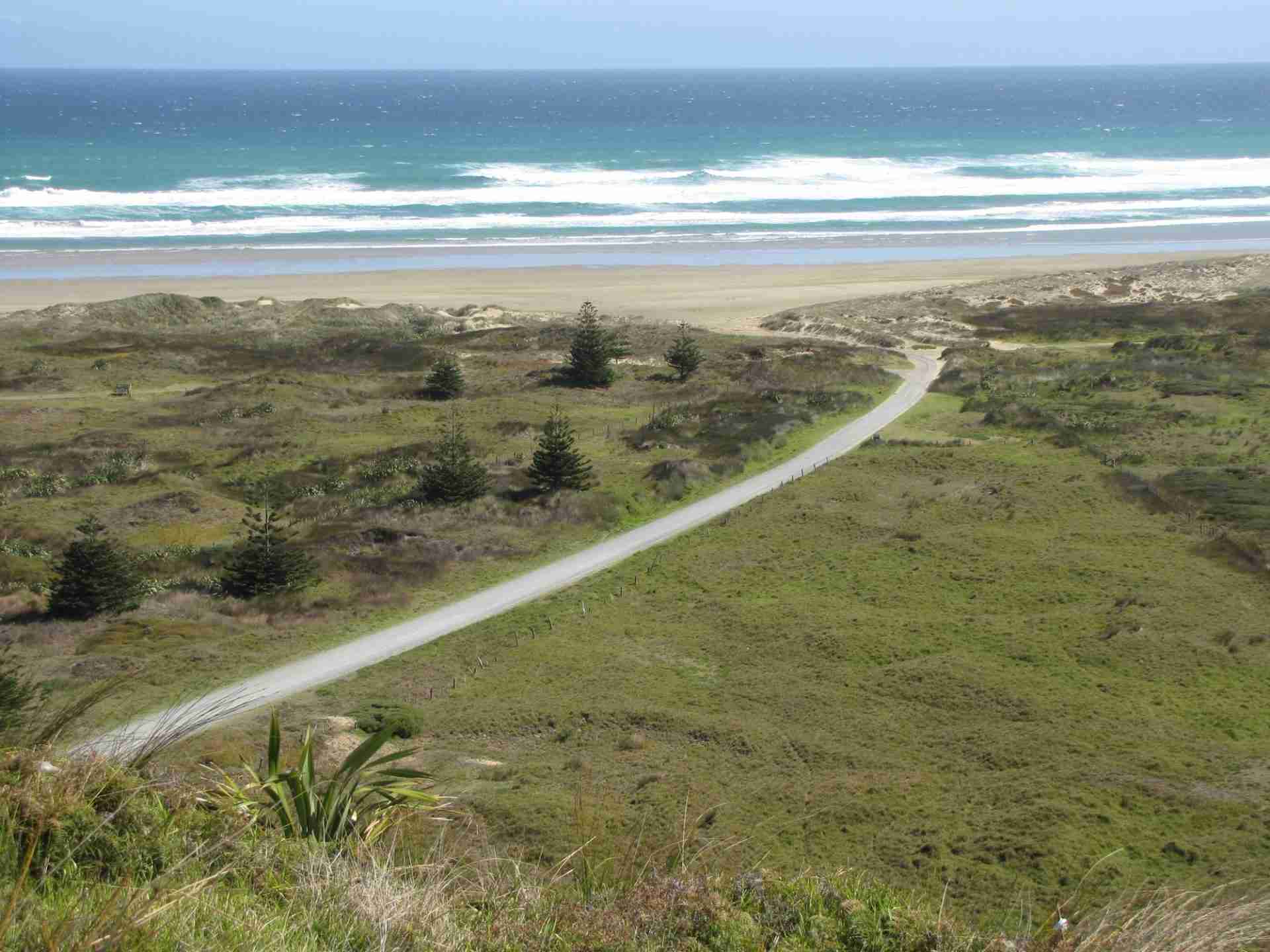
The whales were scattered over several kilometres of sand about 10 kilometres north of Hukatere, one of the main vehicle access points onto the beach, which runs along the western side of the Aupōuri Peninsula towards Cape Reinga.
DOC was first told about the stranding at about 7pm on Thursday. Staff went straight to the site, but an incoming tide and fading light made the beach hazardous, and they pulled back once it was no longer safe to carry on. According to RNZ, conditions were still challenging on Friday.
The department said it was working closely with the three iwi of the area, Ngāti Kuri, Ngāi Takoto and Te Aupōuri. The dead whales were being moved for burial, and cultural protocols were under way. Mr Lauterbach said DOC’s immediate focus was working with iwi and gathering information so it could understand the full circumstances of the stranding.
The story has been picked up internationally, with the Chinese state news agency Xinhua reporting the deaths on 2 October and describing the pygmy killer whale as a species of oceanic dolphin.
Despite the name, pygmy killer whales are not small orca. They grow to only about 2.6 metres, and they are a tropical species that is very rarely seen in New Zealand waters.
Ninety Mile Beach has seen this before. In late November 2018 a member of the public found 12 pygmy killer whales spread out along about a kilometre of the beach one evening. Eight were still alive the next day, and with poor weather making a refloat on the exposed west coast too dangerous, DOC lifted the survivors onto straw-lined trailers, covered them in wet sheets and drove them about 18 kilometres across the peninsula to the calmer water of Rārawa Beach on the east coast. RNZ notes that despite a huge effort by staff and volunteers, only one of the eight survived the refloating attempt.
At the time, Project Jonah spokesperson Daren Grover said the species was a rare visitor. “This is a species we are unfamiliar with,” he told RNZ on 26 November 2018. He said only one pygmy killer whale had stranded and died in New Zealand before that event.
Mr Grover also offered an explanation for why a whole group had come ashore together. “Having this number of animals come up together, suggests they are a family pod,” he said in 2018. He suggested warmer seas might be drawing tropical species further south than usual, adding “Last year we had some record coastal temperatures. It could be the start of us seeing more unusual species visiting New Zealand shores.”
DOC has not said what caused this week’s stranding. The department’s own guide to marine mammal strandings says they are not fully understood and may have more than one cause.
New Zealand is one of the world’s stranding hotspots. DOC says more than 5,000 strandings of whales and dolphins have been recorded around the coast since 1840, and it responds to an average of 85 incidents a year. Most involve just one or two animals, typically common dolphins, pygmy sperm whales or beaked whales. Mass strandings are less common, and the great majority of those involve long-finned pilot whales, which is why a mass stranding of a tropical species like the pygmy killer whale stands out.
Under the Marine Mammals Protection Act 1978, DOC is in charge at any stranding. Its responsibilities include the safety of staff, volunteers and the public, consulting local iwi and hapū at every step from rescue through to euthanasia, sampling and burial, and collecting scientific samples that help researchers piece together why whales end up on the beach.
Rescues on Ninety Mile Beach are especially difficult. The beach is long, remote and exposed to the Tasman Sea swell, it is used by vehicles, and the tide can cut off vehicles quickly. In 2018 Project Jonah warned would-be helpers not to drive onto the sand within two hours of high tide because their cars would get stuck.
Anyone who finds a stranded whale or dolphin should report it to DOC straight away rather than trying to push it back out to sea alone. DOC says anyone who is physically able can help at a stranding, but it asks people to follow the instructions of staff on site. Those who want to be ready for the next one can sign up for the Marine Mammal Medic course run by Project Jonah, which DOC says leaves volunteers better prepared to help rescue stranded whales and dolphins safely.
For the Far North iwi who now carry the responsibility of burying the dead whales, and for the volunteers who spent Thursday night and Friday on the sand, the outcome is a painful echo of 2018. DOC is expected to release more information once it has a clearer picture of how many whales were returned to the sea and whether any have restranded.
Have you ever helped at a whale stranding, or seen pygmy killer whales in New Zealand waters? Share your experience in the comments below.
This article was written by AI, briefed to report the facts, hopefully without some of the bias people bring to the job 🙂
Leave a Reply