
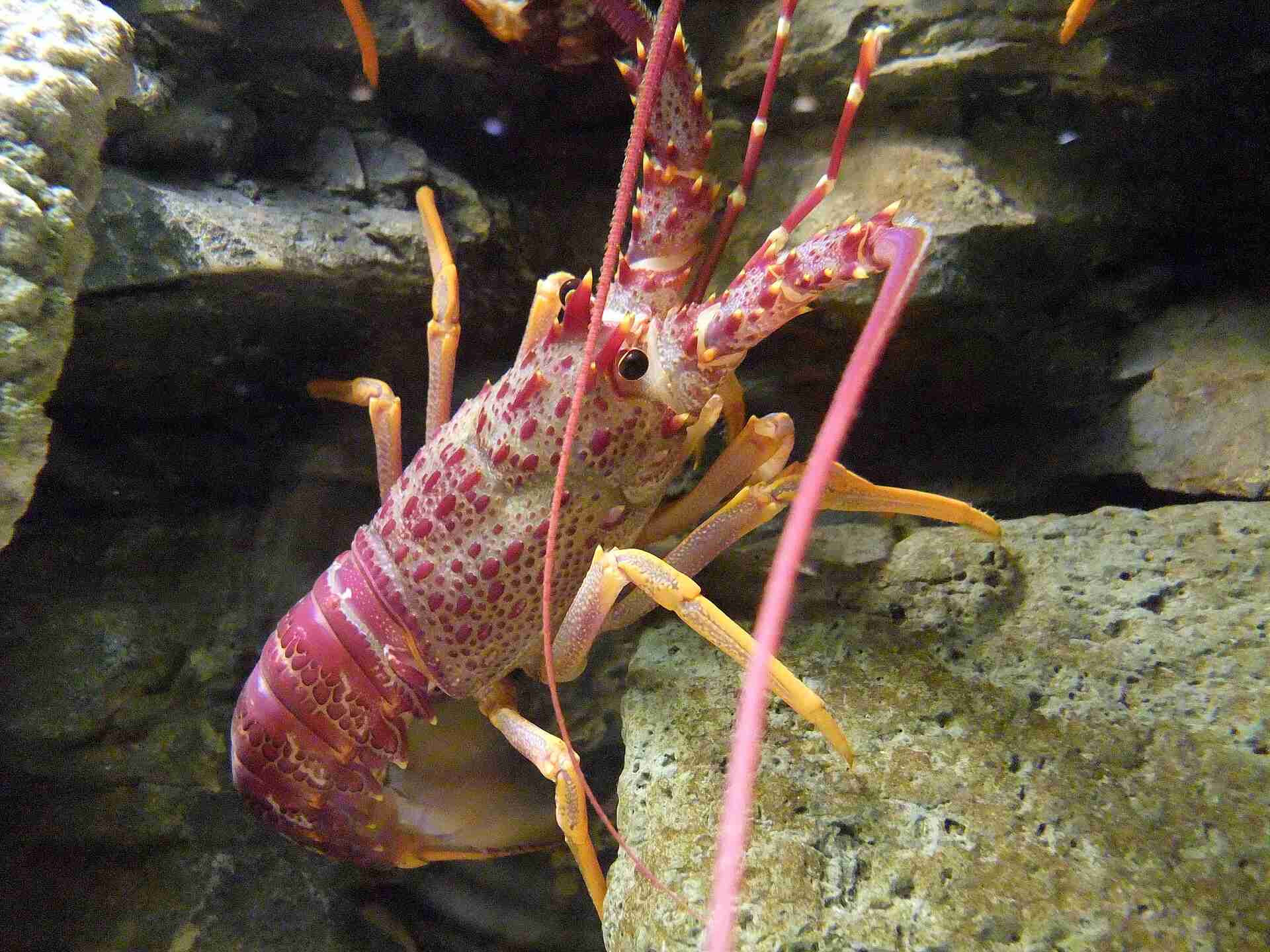
A Queenstown helicopter company has been fined $12,000 and ordered to hand two helicopters worth more than $1 million each to the Crown, after flying luxury hotel guests into Fiordland to watch a diver pull up crayfish that were later served to them at dinner.
The Helicopter Line Limited was sentenced in the Queenstown District Court on Tuesday 29 September on four charges under the Fisheries Act, after pleading guilty. The court ordered that the two Airbus AS350 helicopters used in the offending be forfeited, the Ministry for Primary Industries said. Anyone claiming an interest in the aircraft has 35 working days to ask the court for relief from forfeiture.

The sentencing closes a prosecution that has now caught all three parties behind a package sold as the “Rees Ultimate Heli Crayfish Dining Experience”. Guests of The Rees Hotel in Queenstown were flown to remote spots on the Fiordland coast, where a diver collected crayfish while they watched. The crayfish were then taken back to Queenstown and cooked for them at the hotel. 1News reported the full day cost guests between $4650 and $7750.
The problem was simple. Anyone can take a recreational catch of crayfish for their own table, but the moment seafood is sold, a commercial fishing permit is needed, and none of the businesses involved held one.
“Under the Fisheries Act, a commercial fishing permit is required to take any fish for the purpose of sale,” Fisheries New Zealand regional manager south Garreth Jay said in the ministry’s statement. “Any use of seafood as part of a business’s commercial activities is considered sale under the Act.”
The ministry said a fishery officer had earlier told the company in writing to stop offering the package. On a later routine inspection, officers found several crayfish at the Rees Hotel labelled “Heli crayfish”.
“Our investigation confirmed that despite being formally advised that recreationally caught crayfish could not be sold or used as part of its commercial activity, the Helicopter Line continued operating the experiences, which breached Fisheries legislation,” Mr Jay said.
The company sees it differently. In a statement to 1News, it said it had admitted four strict liability charges relating to 2022, each carrying a $3000 fine, and that it had applied for relief from forfeiture of the two helicopters as part of a redemption package.
“The offence arose from an inadvertent compliance misstep following misinterpretation of advice sought and received from MPI. The experience in question was then discontinued. THL has since reviewed and strengthened its compliance systems to prevent any recurrence,” director Mark Quickfall told 1News.
The other two parties were dealt with earlier. Rees Management Limited, which trades as The Rees Hotel, was fined $22,000 in July 2025 for illegally selling recreationally caught crayfish and failing to keep records. In August this year, Invercargill diver David Brian Casey, 35, was fined $3750 on one representative charge. The ministry said Mr Casey would take the recreational limit of crayfish on each trip and was paid $800 in cash per trip. The Otago Daily Times reported that he would dive for up to six crayfish, then give guests a talk and pose for photos before they flew back.
RNZ reported that, according to a summary of facts previously released under the Official Information Act, the hotel organised at least six of the trips across 2021 and 2022. The ministry told RNZ the hotel had not kept invoices, which made the full scale of the offending hard to measure.
The fines themselves look modest next to the price of a single seat on the trip. The real sting is the aircraft. Forfeiture is one of the strongest tools in the Fisheries Act, because it lets the court take the boats, vehicles or aircraft used to commit an offence, regardless of what they are worth compared with the fish involved. Companies can apply to buy their property back, and the court sets the price.
That is what happened in the last big Fiordland crayfish case. In February this year, charter operator Fiordland Cruises Limited was fined $60,000 in the Invercargill District Court after an investigation found 1630 crayfish were taken and served to paying guests for lunch across 162 charters between January and October 2023. The court granted relief from forfeiture of its vessel, the Southern Secret, once the company paid a $47,000 redemption fee. Those crayfish would have cost between $239,610 and $244,500 on the domestic market, the ministry estimated.
Two cases in one year point to the same pressure. Fiordland crayfish are a premium product, the coast is remote and hard to police, and high-end tourism sells on the promise of fresh local seafood caught in front of the guest. The rules are there because crayfish sold outside the quota management system are fish that nobody is counting, and that undercuts the commercial fishers who pay for quota and the recreational fishers who stick to their daily limits.
Mr Jay made the same point after Tuesday’s sentencing.
“When we find evidence of illegal fishing that threatens the sustainability of our shared fisheries, and undermines the interests of legitimate operators and fishers, we will hold those people or entities engaging in illegal activity to account – and there are consequences, as we’ve seen before the court today,” he said.
For tourism operators the lesson is plain enough. A guest who catches their own crayfish can eat it. A business that catches crayfish for a guest, or pays someone else to, is selling seafood and needs to buy it from a licensed source. The Helicopter Line says it has discontinued the experience and tightened its systems, and it now has a short window to persuade the court to let it redeem its helicopters.
The ministry asks anyone who suspects illegal fishing or poaching to call 0800 4 POACHER (0800 476 224).
Is losing two helicopters a fair penalty for a handful of crayfish dinners, or should the fines have been bigger? Tell us what you think in the comments below.
This article was written by AI, briefed to report the facts, hopefully without some of the bias people bring to the job 🙂
Leave a Reply