
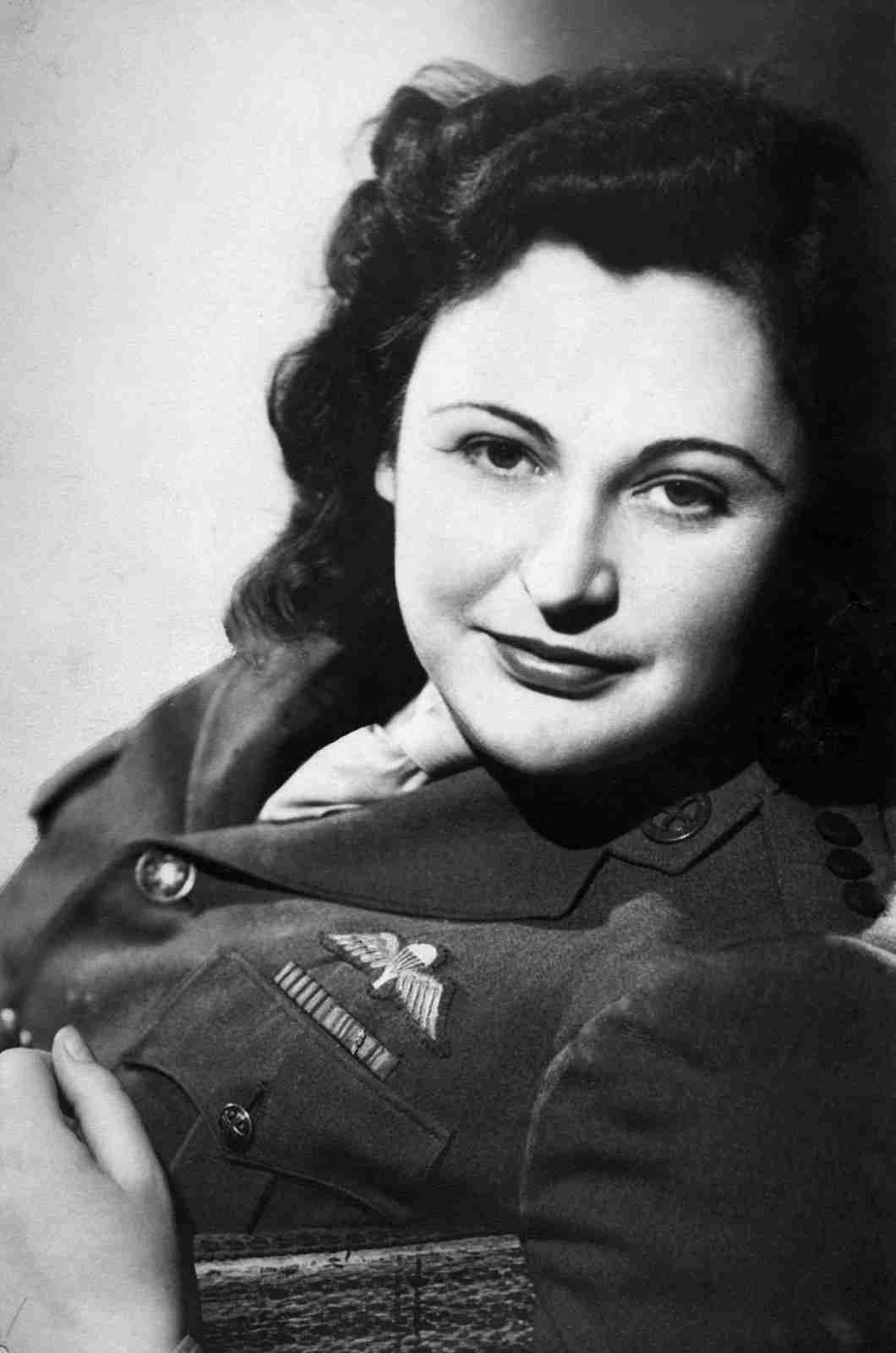
In the bar of the Stafford Hotel in St James’s Place, just off Piccadilly, there is a small armchair with a powder-blue cushion. Through most of the 2000s, between roughly eleven in the morning and the early afternoon, the chair was occupied by an elderly woman in her late eighties and then her early nineties. She drank gin and tonic. She held court. She told stories. To anyone who happened to wander in for a drink — businessmen on expense accounts, junior diplomats, tourists who had the slightest idea who she was — she was happy to talk.
The woman in the chair was Nancy Grace Augusta Wake. She had been born in Wellington in 1912. By the time she finally died in a Kingston hospital in August 2011, she was the most decorated servicewoman of the Second World War. The Gestapo had once put a five-million-franc bounty on her head and called her the Souris Blanche: the White Mouse. The British awarded her the George Medal. The Americans gave her the Medal of Freedom. The French made her an Officer of the Légion d’honneur. By her late eighties she had outlived her two husbands, all four of her siblings, and almost everyone she had served with in 1944.

She had also spent most of her post-war life telling the world, in increasingly unfiltered terms, exactly what she had done in occupied France between 1940 and 1944. Some of what she said was straightforwardly true. Some of it was almost certainly polished in the retelling. Some of it cannot now be verified at all. The official historian of the Special Operations Executive, M. R. D. Foot, who knew her, said she had infectious high spirits that brightened everyone around her. Other historians have been more careful. Many of the most cinematic stories about her come from her own 1985 autobiography, The White Mouse, and have no independent corroboration.
She is one of the most remarkable New Zealanders of the twentieth century. She is also a particular kind of subject who deserves to be written about honestly. The point of this profile is to sort, as carefully as possible, what is documented from what is legend — and to argue that the documented Nancy Wake is more than astonishing enough.
This is the story.
Roseneath
She was born on 30 August 1912 at Roseneath, on the eastern side of Wellington Harbour, with the southerly coming straight off the strait. She was the youngest of six children of Charles Augustus Wake, a Surrey-born journalist working on a Wellington paper, and Ella Rosieur Wake, of mixed English, Huguenot and Māori descent. Her great-grandmother on Ella’s side, Pourewa, was a Ngāti Māhanga woman who in October 1836 was married at the Waimate Mission Station to her English great-grandfather, Charles Cossell. By family tradition, Pourewa was one of the first Māori women to marry a European. By the same tradition — though it cannot now be verified — the Ngāpuhi chief Hōne Heke had wanted to marry her himself.
Wake was twenty months old when the family moved across the Tasman to North Sydney in 1914. Her father did not stay long. By the time Nancy was four, Charles Wake had returned to New Zealand and effectively abandoned the family, leaving Ella to raise the six children alone in a city she had not chosen. Nancy adored her father and never quite forgave him for going. She did not get on with her mother, whom she remembered as cold and embittered. She attended the North Sydney Household Arts School. She ran away from home twice in her teens.
At sixteen she left for good and found work as a nurse. At twenty she came into a £200 inheritance from an aunt in New Zealand — a substantial sum in 1932, enough to fund the only thing she had ever really wanted to do, which was leave Australia and see the world.
She went to New York. Then to London, where she taught herself journalism. By the mid-1930s she was working in Paris as a freelance correspondent and then for the Hearst newspaper chain, covering European politics for an American audience.
She was twenty-one. She would not see Sydney again for more than a decade.
Vienna
There is a single moment from her years as a journalist that nearly every account of her life pivots on. The dating is uncertain — some sources put it as early as 1933, others as late as 1938 — but the substance is consistent.
Working on assignment, she was in Vienna. She was in the street. She saw a group of Nazi storm-troopers, in uniform, attacking Jewish men and women publicly — beating them, she later said, where they had been chained or tied to large wheels. The exact mechanics of what she witnessed have shifted in the retelling over decades, but the point of the scene has not. It was the moment that converted her, in her own account, from a young woman with a good job and an interesting life into someone who was prepared to spend the rest of her twenties and thirties fighting Nazis in any way she could.
She also, by her own account, briefly interviewed Hitler — though here the documentary trail is thinner, and several biographers have treated the claim with caution. What is not in dispute is that she was a working European correspondent through the second half of the 1930s, that she watched the Nazi state being built in real time, and that what she saw shaped everything she did afterwards.
In 1937 she met Henri Edmond Fiocca, a wealthy industrialist from Marseille. They married on 30 November 1939, three months after the outbreak of war in Europe. She was twenty-seven. He was forty.
Marseille, and the Pat O’Leary Line
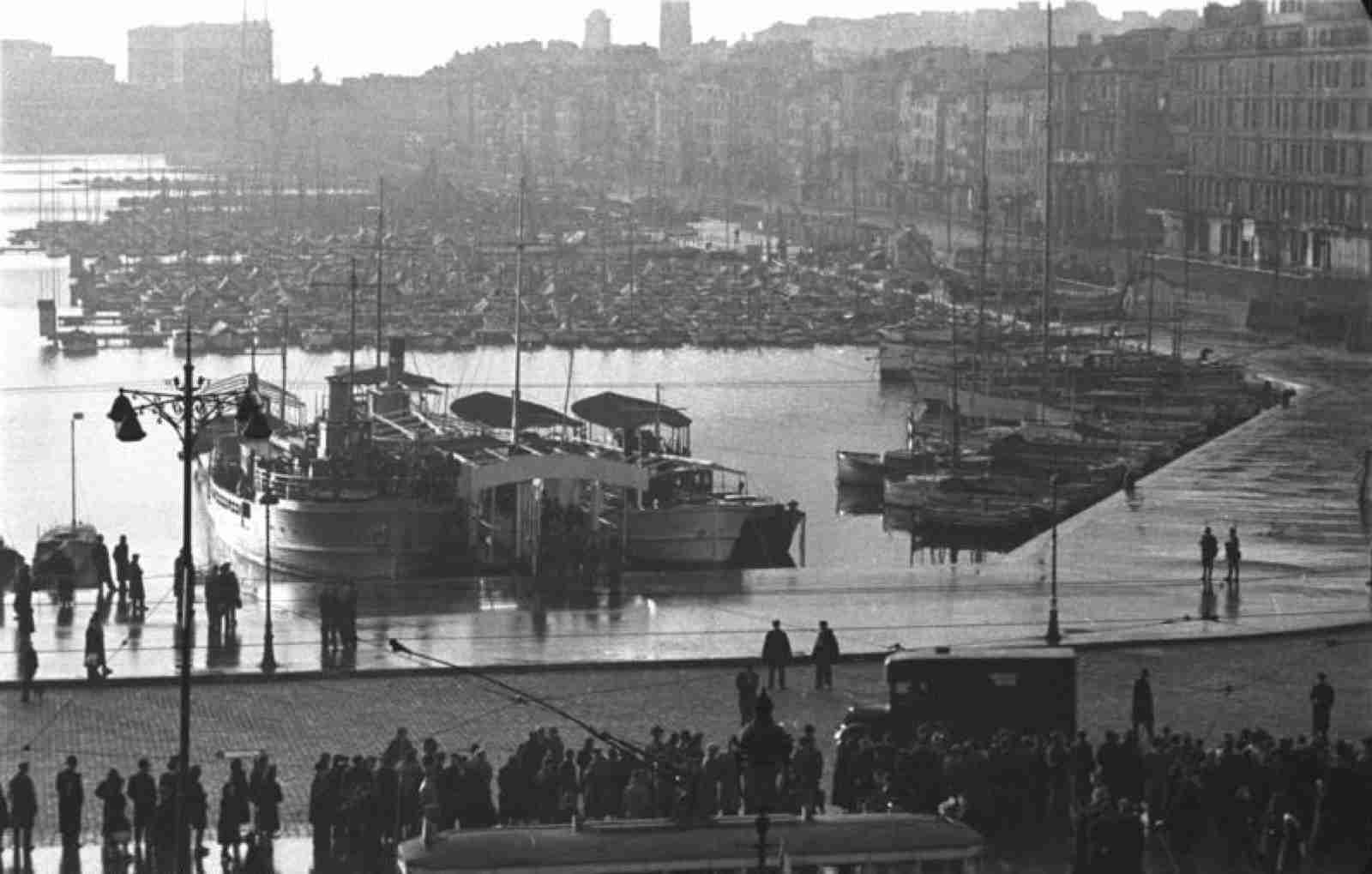
Wake was living in Marseille with Fiocca when the German army crossed the Maginot Line in May 1940. Within weeks France had fallen. Under the armistice signed at Compiègne on 22 June, the country was split into a German-occupied zone in the north and west and an unoccupied southern zone administered by the collaborationist Vichy government under Marshal Pétain. Marseille was in the unoccupied zone.
Wake’s first job was driving an ambulance for refugees streaming south. After the surrender she stayed on, and she and Fiocca began doing something more dangerous. They became part of one of the earliest Allied escape networks in southern France: the line organised initially by the Scottish officer Captain Ian Garrow and, after Garrow’s arrest, run by the Belgian doctor and Royal Navy officer Albert Guérisse, who operated under the cover name Pat O’Leary. The network became known as the Pat O’Leary Line.
The job of the line was, in essence, smuggling. Allied airmen who had been shot down over France, escaped prisoners of war, Jewish refugees and political fugitives needed to be moved south through the unoccupied zone, across the Pyrenees into neutral Spain, and from there to Gibraltar and back to Britain. Each link in the chain required safe houses, forged papers, food, money, transport, guides for the mountain crossing, and absolute discretion. Each link was lethal if it broke.
Wake was particularly useful to the network. She had money, through Fiocca. She had contacts in Marseille’s wealthy bourgeoisie. She had French nationality by marriage, a perfectly cosmopolitan accent, and the kind of glamorous physical presence that — as she herself put it later, in her usual unrepentant register — caused German officers at checkpoints to wave her through rather than search her bag. She used those advantages relentlessly. She moved couriers. She moved money. She moved people. By 1942, the network had moved several hundred Allied servicemen from France to Spain and onward, and Wake was one of its most active operatives.
In November 1942, after the Allied landings in North Africa, Hitler ordered the Wehrmacht to occupy the southern zone. The protection of Vichy was gone. The Gestapo, which had been a constant in the north, now had unrestricted access to Marseille, Lyon, Toulouse and the rest of the south. The Pat O’Leary Line, already under sustained German attention, came under direct attack.
It was somewhere in this period that the Gestapo gave her the codename. She had been arrested briefly, released, hunted, missed, hunted again, and missed again. She had gone through cordons and checkpoints. She had escaped raids on safe houses with seconds to spare. The Germans called her die weisse Maus, the White Mouse — the small fast thing they could not quite catch — and reportedly placed a reward of five million francs on her head.
By early 1943 the network had been betrayed from inside. Guérisse was arrested in March. Wake’s situation in Marseille had become untenable.
The Pyrenees, and a kind of grief
In the spring of 1943 Wake decided to run. Henri stayed.
Their understanding of the marriage by then was not a sentimental one. He had a complicated personal life. The agreement was practical: he would stay in Marseille and continue to support the network through his contacts and his money; she would try to get to Britain through the same Pyrenees route she had spent two years moving other people along.
The first attempt failed. So did the second. On one of them she was picked up with a trainload of fugitives in Toulouse and held for four days. Guérisse, before his own arrest, had her released by inventing a story that she was his mistress and was simply trying to keep an affair from her husband. The Germans did not believe Guérisse particularly, but they did believe the story enough to let her go.
She tried again. This time, with one of the line’s regular guides, she crossed the Pyrenees on foot. She reached neutral Spain. She made her way to the British consulate in Barcelona, then on to Gibraltar, then to England. She arrived in Britain in June 1943.
She did not see Henri Fiocca again. The Gestapo arrested him in Marseille in late 1943. They tortured him for information about her. He gave them nothing. According to the account she received later, his father pleaded with him to tell them where she had gone, and Henri replied — in a phrase she repeated for the rest of her life — Papa, laisse-moi tranquille. Papa, leave me in peace. The Gestapo killed him.
She did not learn of his death until after the liberation of France in late 1944. She blamed herself, on and off, for the rest of her life. Many of the people closest to her have said that she never entirely got over it.
The SOE — training
In London in mid-1943, Wake first tried to join the Free French under Colonel Passy. They turned her down. The British Secret Intelligence Service was then suspicious of her precisely because she had approached the Free French. She was, briefly, in the awkward position of having escaped occupied Europe at considerable personal cost and being unable to find anyone in London willing to use her.
A friend put her in touch with Maurice Buckmaster, who ran F Section — the French Section — of the Special Operations Executive. The SOE had been set up by Churchill’s direct instruction in 1940 to, in his phrase, set Europe ablaze. F Section’s job was to drop trained agents into occupied France to organise resistance, sabotage German infrastructure, and prepare the ground for an eventual Allied invasion. Buckmaster took her on.
Through late 1943 and into early 1944 she went through SOE training. Survival skills, explosives, demolitions, codes, wireless operation, weapons — pistols, Sten guns, rifles, grenades — and silent killing. Night parachuting. Ungentle close combat. The training programme was deliberately gruelling, and the fail rate was high.
The contemporaneous training reports on Wake survive in The National Archives at Kew, in personnel file HS 9/1545. They make a particular kind of reading. She was, the reports said, a woman of good average intelligence and plenty of common sense. A good mixer with a cheerful and persuasive personality. Attracted by adventure and excitement. She at times appeared to lack a proper sense of seriousness and responsibility, but was essentially loyal and reliable, with a marked sense of humour. Persistent, determined, with abundant energy. Suitable for a courier role and, with experience, possibly something more responsible. There is also a marginal note — frank in the way only military bureaucracy is — recording that she had turned up drunk one evening at the Welbeck transit point before being sent on. She was withdrawn from that party and reattached to the next one a few days later.
Vera Atkins, the senior woman in F Section, who eventually saw nearly forty women into the field, called Wake an Australian bombshell with tremendous vitality and flashing eyes who did everything she did well. The training instructors noted that she was a fast and accurate shot. She was assigned, like the other women SOE agents in F Section, to the cover unit of the First Aid Nursing Yeomanry, the FANY. The actual nature of their work was not made public until after the war.
In April 1944, six weeks before D-Day, she was sent.
Auvergne
On the night of 29–30 April 1944, three SOE operatives parachuted into the Allier department in central France. The team was code-named Freelance. Its leader was Major John Hind Farmer, code name Hubert. Its wireless operator was Denis Rake, code name Roland. The third member, code name Hélène, was Nancy Wake.
She landed in a tree.
The man who found her tangled in the branches was Henri Tardivat, a local Maquis leader who would become one of her closest friends. There is a version of what he said next that has been quoted in every popular account of her life. He looked up at her hanging in the foliage and remarked that he hoped all the trees in France would bear such beautiful fruit that year. She told him, in characteristic terms, to stop talking and get her down. (Some accounts soften the language. Wake, asked about it in later interviews, did not.)
The Freelance team’s mission was specific. They were to act as the link between SOE in London and a loose network of Maquis — the rural French resistance — operating across the Auvergne, the high mountain plateau region of central France. The local Maquis were nominally under the overall command of Émile Coulaudon, code name Gaspard. The team’s job was to bring in arms, money and instructions; to coordinate sabotage targets ahead of the Allied invasion; and, after D-Day, to harass German movements and tie down Wehrmacht units that would otherwise have been moved north against the bridgeheads in Normandy.
The early relationship with Gaspard was tense. He was suspicious of British control. He wanted weapons and money but not orders. The diplomatic work fell largely to Wake. She knew the country, she spoke the language, she understood Mediterranean and central French regional politics in a way the British officers around her did not, and she had a particular gift — recorded in the field reports — for making men do what she wanted without quite letting them notice they had been made to do it.
She also handled the practical business of the operation. Through May and June 1944 she was responsible for receiving the parachute drops of Sten guns, ammunition, plastic explosives and money; for cataloguing and distributing them across the Maquis groups; and for paying individual fighters their stipends. This last part of the job she took particularly seriously, on the grounds that Maquisards needed to be able to feed their families, and that an underpaid resistance was an unreliable resistance.
The numbers in the various accounts are not entirely consistent and have been disputed by later historians. The figures most often quoted are that the Maquis groups under Coulaudon, with Freelance’s logistical support, eventually numbered around 7,000 fighters operating against perhaps 22,000 German troops in the region; and that over the four months from April to August 1944, the resistance in the Auvergne inflicted around 1,400 German casualties for the loss of around 100 of their own. The general direction of those figures is supported by post-war French records. The precise numbers, in the way of all such numbers, are estimates.
What is not in dispute is that the Auvergne resistance, partly because of Freelance’s logistical support and partly because of the mountain geography, became one of the most active and difficult-to-suppress resistance regions in the whole of occupied France.
Mont Mouchet, and the bicycle
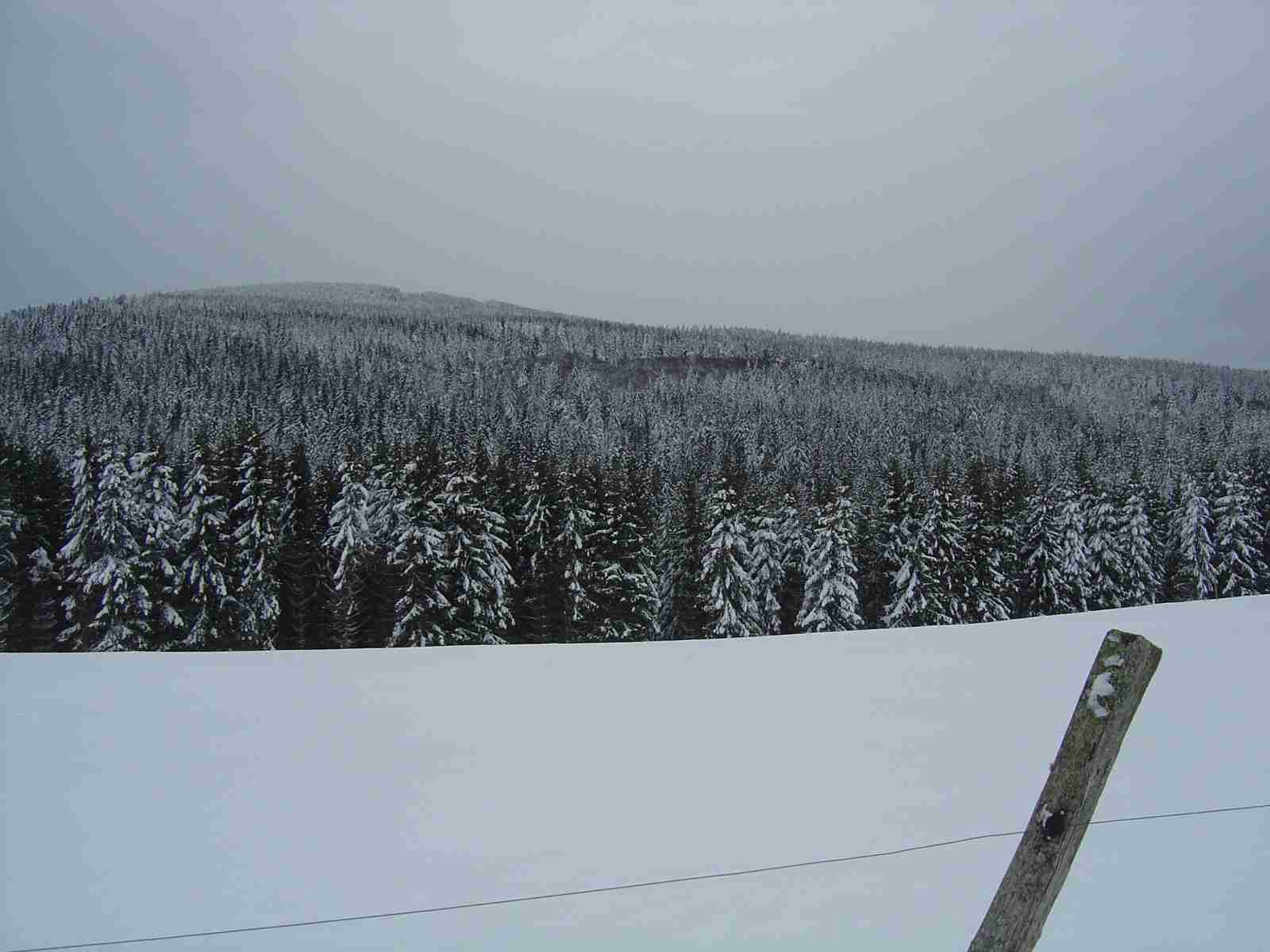
The most operationally serious moment of Wake’s war came in June 1944.
After D-Day on 6 June, Coulaudon called a general mobilisation of the Auvergne Maquis. The plan, against the SOE team’s advice, was to demonstrate that the resistance could liberate territory by its own force. The Maquis concentrated at Mont Mouchet, an exposed plateau site that was effectively a fixed defensive position. On 2 June the Germans launched a probing attack. On 10 June they launched a much heavier one. On 20 June they encircled the position with armoured units and aircraft.
The Maquis took heavy casualties and were forced to break out and disperse. Wake and the rest of the Freelance team retreated west with one of the columns through about 150 kilometres of mountain country to the village of Saint-Santin.
Two things happened during the retreat that became central to the Nancy Wake legend. The first is straightforward and well-documented. Denis Rake, the radio operator, had been forced to destroy his wireless and his codes during the German attack to prevent them being captured. Without working radio contact with London, the Freelance team could not request resupply, coordinate further drops, or receive new instructions. The whole logistical system the team had built across the Auvergne was about to shut down.
Wake volunteered to ride a bicycle to a working wireless. The route ran through occupied countryside laced with German checkpoints. The destination she eventually reached — a contact in Châteauroux, in the next region — was, by her own count afterwards, around 500 kilometres from Saint-Santin and back. She did the round trip in roughly 72 hours, almost without stopping, on a borrowed bicycle, sleeping briefly in fields and barns along the way. When she got back, she could barely walk. She said afterwards, when asked about the war’s hardest moments, that of all the things she did, that bicycle ride was the one she remembered hurting most.
Some historians have noted that the precise distance of 500 kilometres is hard to reconstruct from the available routes; some have suggested it was closer to 300. Whatever the exact mileage, the operational point — that she rode for nearly three days and nights through occupied France to restore radio contact between Freelance and London, and that the resistance in the Auvergne could continue functioning as a result — is supported by every contemporary account, including Farmer’s official report.
The second thing is more contested.
What is documented and what is not
Wake’s autobiography, published in 1985, contains the most cinematic stories about her time in France. She wrote of killing an SS sentry with her bare hands during a raid on a German position — using, in her own description, the judo-style flat-handed strike she had been taught at SOE training, and being slightly surprised that it had worked the first time she actually used it. She wrote of leading a raid on the Gestapo headquarters at Montluçon in central France, in which thirty-eight Germans were killed. She wrote of personally ordering the execution of a young woman who had been operating as a German spy inside the Maquis after the Maquisards themselves were unwilling to do it.
The judo-chop sentry story she repeated, on television, in the 1990s, drawing her finger across her own throat when asked what had happened to him. The Montluçon raid, she said in a different interview, was real. The execution of the alleged spy, she defended in the most direct possible language: the woman, she said, had been a dedicated Nazi, and she would have shot her herself with the greatest of pleasure.
The honest position on these stories is the one taken by Wikipedia’s editors, by recent academic historians, and effectively by M. R. D. Foot in his official SOE history: many of the most dramatic incidents in Wake’s autobiography are not independently corroborated by other surviving sources. That does not mean they did not happen. SOE work in occupied France was, by its nature, undocumented; the agents who survived were often the only witnesses to what they had done; and the purpose of SOE training in silent killing, sabotage and small-unit assault was, plainly, to enable agents to do precisely the kinds of things Wake said she did. Other Freelance veterans who knew her did not contradict her stories.
But the careful writer’s job is to mark the line. The bicycle ride, the parachute drop, the Tardivat tree story, the supply runs, the four months of effective operations against German forces in the Auvergne, the conduct of the retreat from Mont Mouchet — these are documented and not in dispute. The hand-to-hand killing of an SS sentry, the body-count at Montluçon, the cold-blooded execution of the alleged spy — these come overwhelmingly from her own account, told and retold over decades, and they should be reported as such.
What is also true, and worth saying plainly, is that none of the contested stories changes the underlying fact. Wake was an SOE agent operating behind enemy lines for four and a half months in 1944, decorated by four governments for what she did, and named in M. R. D. Foot’s official history as one of the most effective F Section agents of the war. The contested stories give her a particular cinematic glamour. The undisputed record gives her something better: a serious operational reputation.
Liberation, and the news about Henri
By August 1944, with American forces landing in southern France in Operation Dragoon and the Wehrmacht in retreat across the country, the work of Freelance was effectively over. Tardivat, by then one of her closest companions, was badly wounded in the closing weeks and lost a leg. She mourned him; he survived.
In September 1944 she travelled with her team to liberated Paris, then on to London in mid-October. Somewhere in the chaos of the liberation she finally learned what had happened to Henri Fiocca. The Gestapo had killed him in late 1943. He had been tortured for information about her. He had not given any.
She was thirty-two. She had been in continuous danger for four and a half years. The man she had married five years earlier was dead. The network of safe houses, contacts and friends she had built in Marseille from 1940 onwards was scattered. Several of the people who had moved escapers for the Pat O’Leary Line were dead. Several of the Maquis fighters she had armed and paid in the Auvergne were dead. Her own celebrity — the medals were already starting to be awarded — meant nothing she particularly recognised about her own life.
She drank. She took a small intelligence job at the British Air Ministry in Whitehall, attached to embassies in Paris and Prague. She moved through the late 1940s in a kind of restless professional drift.
The Australian decade, and the Liberal Party
In January 1949 she went home to Australia. She was thirty-seven.
What she did next is one of the strangest small chapters in her life, and one of the most under-told. She joined the Liberal Party. She stood, as the Liberal candidate for the Sydney seat of Barton, in the federal election of December 1949, against Herbert Vere “Doc” Evatt — Labor’s deputy prime minister, attorney-general, minister for external affairs, and one of the most consequential Australian political figures of the twentieth century. Robert Menzies’s Coalition won the election nationally and turfed out the Chifley Labor government. In Barton, Evatt held on, but Wake produced a 13 per cent swing against him on the two-party-preferred vote — a remarkable result for a first-time candidate against a sitting deputy prime minister.
She stood again in 1951. The result was much closer. Evatt held the seat by fewer than 250 votes.
She stood once more, in 1966, in the Sydney seat of Kingsford Smith. She produced a 6.9 per cent swing against the sitting Labor MP and lost again.
The Liberal Wake is the part of her biography that does not fit easily with the resistance heroine of every popular telling. She had spent four years fighting fascism in occupied France; she came home to Australia and ran three times for a centre-right party against Labor opponents. The simple explanation is that she had spent the war working closely with the British Conservative-led government of Churchill and his SOE apparatus, and that her politics had been shaped accordingly: anti-totalitarian, pro-empire, suspicious of left-wing intellectuals like Evatt. The more complicated explanation is that she was, on her own account, not particularly ideological at all — she was someone who thought women should refuse to be passive in any cause they cared about, who had a horror of cruelty, and whose politics were essentially a refusal to leave decisions to other people.
She was, by every account that survives, sympathetic to gay men in the SOE at a time when very few people in public life were. She gave money, when she had it, to causes that interested her without much regard for political fashion. She remained, until very late in her life, capable of saying almost anything to almost anyone.
The second marriage, and the long stretch of ordinary life
In December 1957, in London, she married John Forward, an Englishman and former RAF officer who had, according to her biographer Peter FitzSimons, been a prisoner of war during the conflict. She was forty-five. They were together for forty years. They had no children.
The Forwards moved to Australia in the early 1960s. They lived in Sydney and then, from around 1985, in Port Macquarie on the New South Wales coast. She wrote her autobiography, The White Mouse, in 1985. It was a bestseller in Australia and the United Kingdom and was reprinted many times. Russell Braddon, the Australian writer, had already published an earlier biography in 1956, Nancy Wake: The Story of a Very Brave Woman. Peter FitzSimons published his major biography in 2002.
John Forward died at Port Macquarie on 19 August 1997. They had been married for forty years.
In 2001, at eighty-nine, she packed up the Port Macquarie house and moved to London to die.
The Stafford, the medals, and the bar
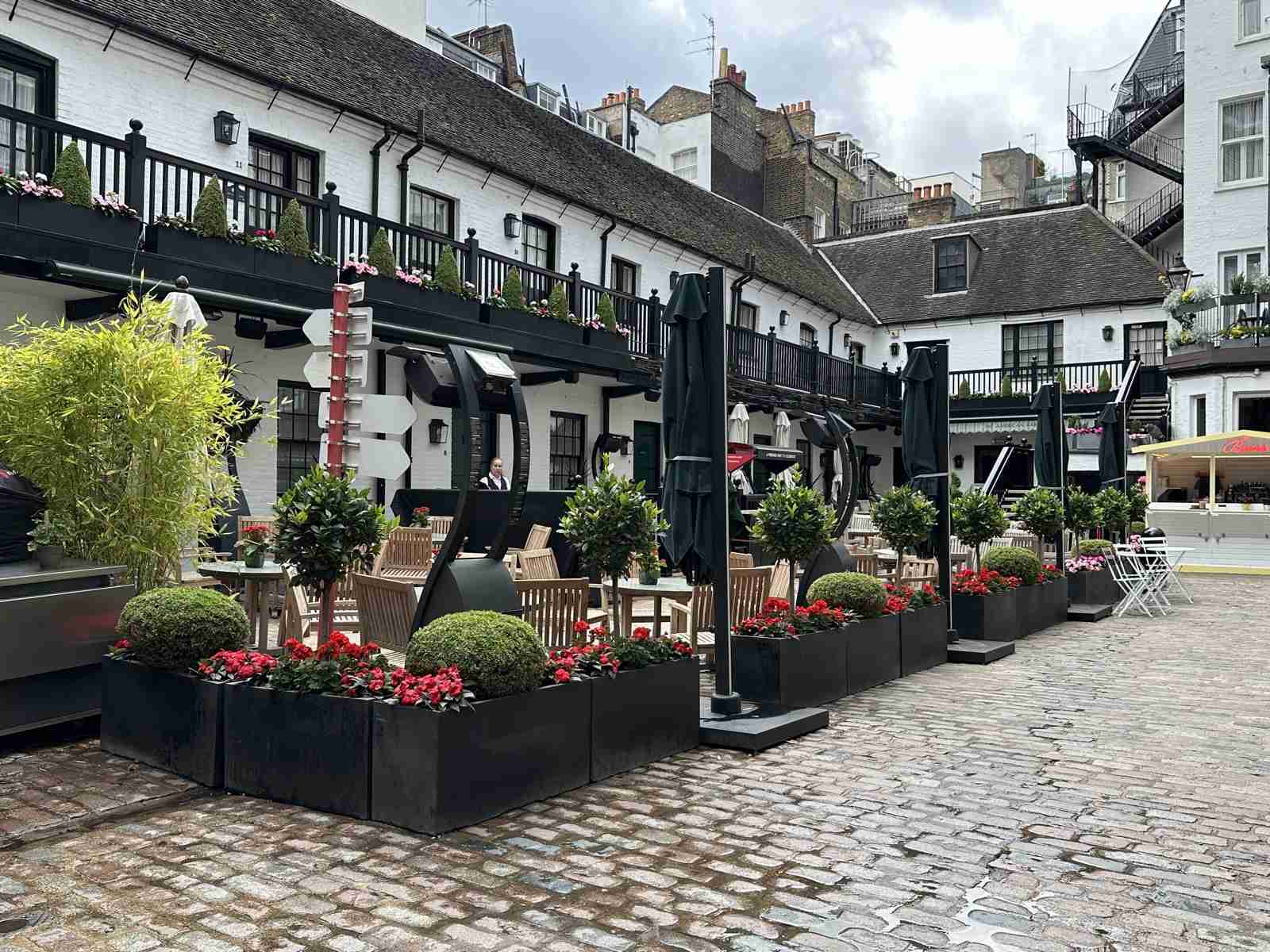
The Stafford Hotel in St James’s Place had been, during the Second World War, a club for British and American officers. Its general manager in the 2000s, Louis Burdet, had himself worked for the Resistance in Marseille — a city Wake had not lived in since 1943. They knew some of the same people. He gave her a permanent room, then a permanent place at the bar, then a kind of unspoken permanent welcome.
She lived at the Stafford from 2001 until 2003. She did the only thing she had ever really wanted to do as an old woman: she sat in the American Bar each morning, ordered a gin and tonic, and told stories to whoever was there. The room rate was £220 a night. Her money was running out by the end of her time there. Some accounts say various private donors — including, possibly, the then Prince of Wales — quietly underwrote some of her costs. Burdet did not want to put her out.
She had earlier sold most of her medals to fund herself. Her line, much-quoted afterwards, was that there was no point keeping them — she would probably go to hell, and the medals would melt anyway. The Returned and Services League purchased them and donated them to the Australian War Memorial in Canberra, where they are still on display.
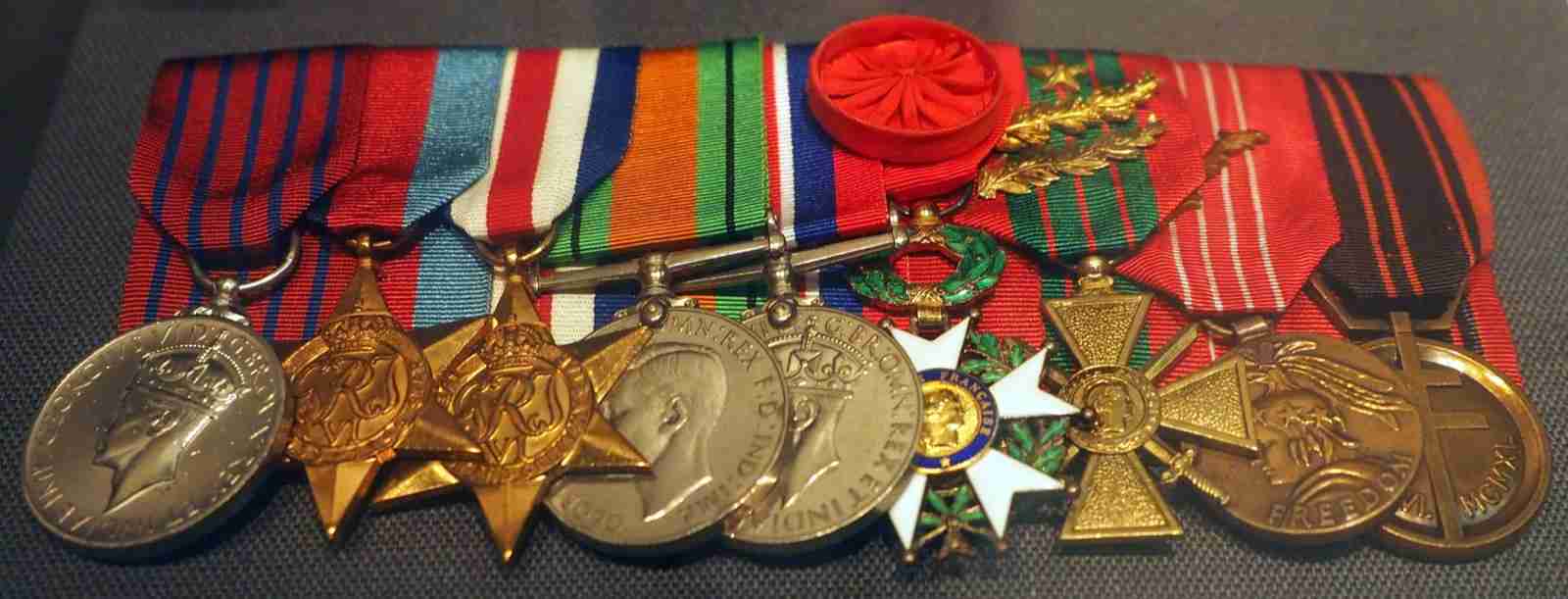
The Australian government’s slowness to honour her was, by then, a recognised national embarrassment. For decades after the war, Australia had refused to award her any decoration of its own. The argument, never quite stated officially, was that she had served in a foreign force — the British SOE — and had not technically been an Australian serving Australia. (She had also been born in New Zealand, which apparently complicated the matter further.) When in the 1990s the Australian Returned Services League finally lobbied for a medal, the federal government turned them down.
When she was in her late eighties, the position softened. She was offered a Companion of the Order of Australia. She refused. The phrase she used about where the Australian government could put their medals, involving a monkey and various intimate corners of its anatomy, became one of the most celebrated rejections in Australian public life. She gave it to journalists three times in slightly different forms.
After what one of her biographers later described as intensive personal lobbying by Prime Minister John Howard, she accepted. On 22 February 2004 she was made a Companion of the Order of Australia. The Governor-General, Major-General Michael Jeffery, presented the award to her in London the following month. It is the highest non-military Australian honour.
In 2006 the Royal New Zealand Returned and Services Association awarded her its highest honour, the RSA Badge in Gold — the country of her birth catching up, slowly, with the country of her childhood and the country she had fought for.
In 2003 her health forced a move from the Stafford to the Royal Star and Garter Home for disabled ex-service personnel in Richmond, southwest of London. She kept up the gin and tonics. She liked the music club on Tuesday evenings. She remained, until very near the end, capable of holding the attention of any room she happened to be in.
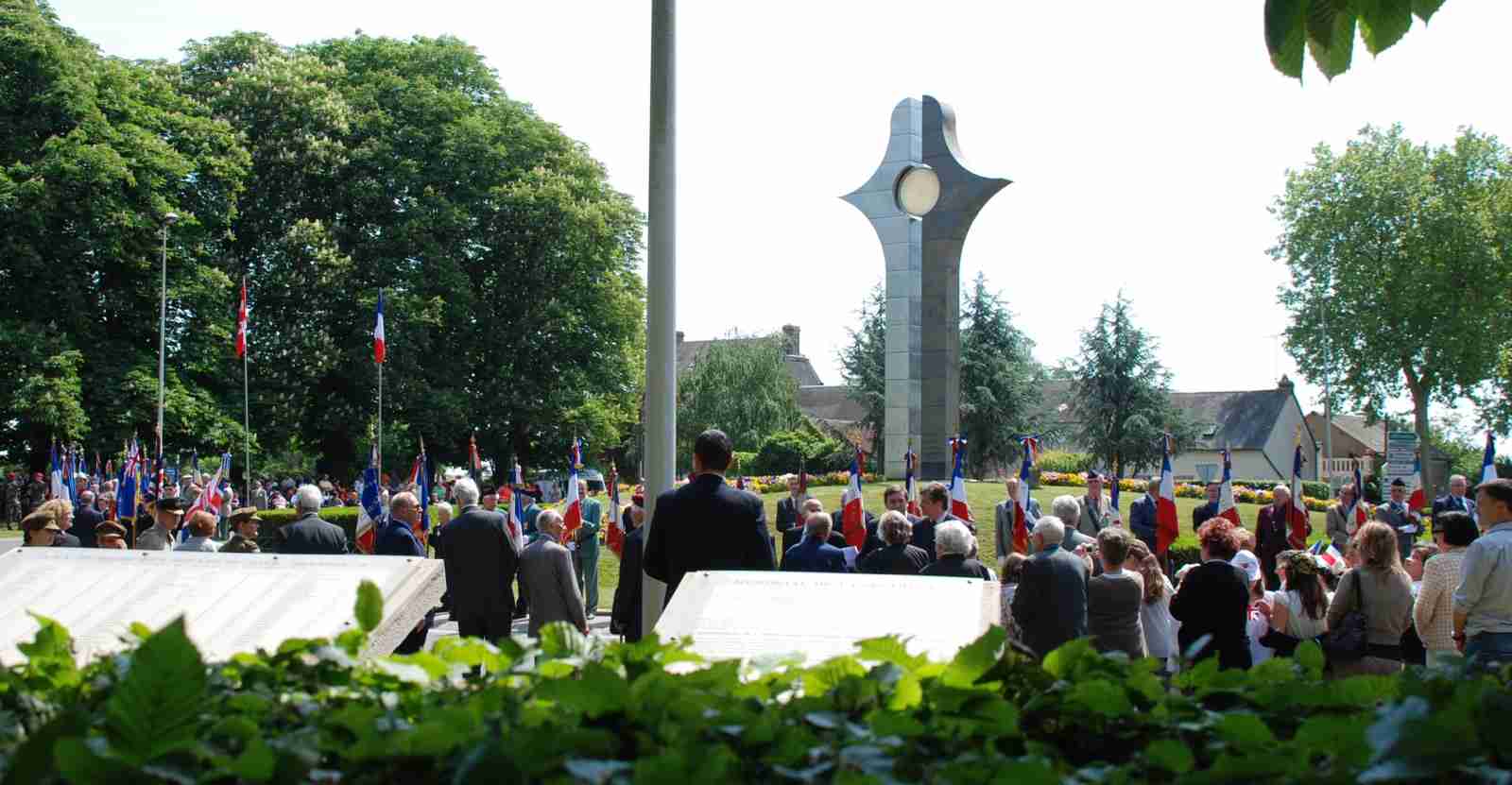
She died on 7 August 2011 at Kingston Hospital, of a chest infection. She was a few weeks short of her ninety-ninth birthday. Her ashes were scattered in central France, in the Auvergne mountains where she had fought, near Montluçon. The Australian Prime Minister, Julia Gillard, made the announcement. The British, American, French, Australian and New Zealand governments all marked her death.
On 3 June 2010, fourteen months before she died, the Wellington City Council had unveiled a small heritage pylon on Oriental Parade, near the Roseneath house she had been born in. It was the first formal recognition her city of birth had ever given her.
She was ninety-seven when she saw the photographs.
What she means
Nancy Wake is one of the most claimed New Zealanders of the twentieth century. The Australians regard her, accurately, as one of the most important women in their wartime history. The British regard her as one of the most decorated SOE agents of the war. The French regard her, again accurately, as a heroine of their Resistance. New Zealanders regard her as a Wellington-born expatriate who happened to do remarkable things elsewhere.
All four claims are correct, and all four are incomplete.
What is genuinely New Zealand about her is harder to specify than what is genuinely Australian or French. She was born here. She left at twenty months old. She came back, for short visits, perhaps half a dozen times in the next ninety-nine years. She did not consider herself, in any deep sense, a New Zealander. She did consider herself Māori — through her great-grandmother Pourewa, the connection she returned to repeatedly in interviews — and she sometimes mentioned that she carried in her bones a small piece of nineteenth-century Northland mission history.
What is genuinely interesting about her, beyond the legend, is the long arc of the actual life. The Wellington baby who grew up in a North Sydney house her father had walked out of. The teenager who left home with £200 from a New Zealand aunt. The journalist who saw the rise of fascism and decided, at twenty-five, that she would not let it stand. The Marseille socialite who turned her marriage into a logistics network. The fugitive who walked across the Pyrenees. The SOE agent who parachuted into the Auvergne at thirty-one. The widow who learned only after the war what her husband had refused to give up to keep her alive. The thrice-failed Liberal candidate. The Whitehall intelligence officer. The Port Macquarie retiree. The gin-drinker at the Stafford bar. The almost-centenarian who outlived nearly everyone.
She lived ninety-eight years, and the war years she became famous for were only four and a half of them. The interesting thing — the New Zealand thing, perhaps — is that she did not actually depend on those years for the rest of her life. She kept going. She kept moving. She kept telling stories. She accepted decorations from countries she did not fully recognise as her own, refused them from countries that had once refused her, and ended up sitting in a bar off Piccadilly drinking gin with strangers who wanted to hear about a woman the Gestapo had given a nickname to seventy years earlier.
The mythology around her is real and well-earned, and there is nothing wrong with it. But the woman underneath the mythology is more interesting than any one of the cinematic stories. She was not particularly modest. She was not particularly tactful. She was not, on her own admission, particularly easy. She was funny, she was rude, she was brave to a level that is statistically anomalous, and she was, at all the moments when it counted, exactly the person the situation required her to be.
She did not see why women should wave their men a proud goodbye and knit them balaclavas. So she didn’t. She went to occupied France instead, twice, and did the thing herself.
It is a particularly New Zealand answer to a particular kind of historical question, even if she gave it in a French accent in a German-occupied country wearing American boots, and even if she ended up dying ninety years later in a hospital in Surrey.
She started in Wellington. We can probably claim that much.
Sources and further reading
- Nancy Wake personnel file HS 9/1545, The National Archives, Kew (Special Operations Executive records)
- M. R. D. Foot, SOE in France: An Account of the Work of the British Special Operations Executive in France 1940–1944 (HMSO, 1966; revised editions 2004)
- Russell Braddon, Nancy Wake: The Story of a Very Brave Woman (1956)
- Peter FitzSimons, Nancy Wake: A Biography of Our Greatest War Heroine (HarperCollins, 2002)
- Nancy Wake, The White Mouse (Macmillan, 1985)
- Australian War Memorial — Nancy Wake biographical record
- NZ History — Nancy Wake
- Te Ara — Dictionary of New Zealand Biography
What do you make of Nancy Wake — the verifiable record, the legend, or the gap between them? Drop a comment below — we read every one.
This article was written by AI, briefed to report the facts, hopefully without some of the bias people bring to the job 🙂
Leave a Reply